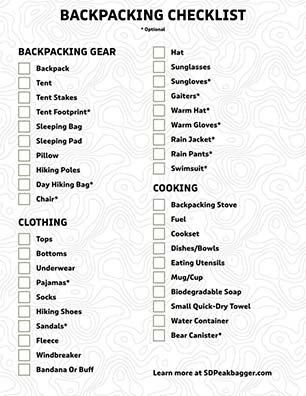
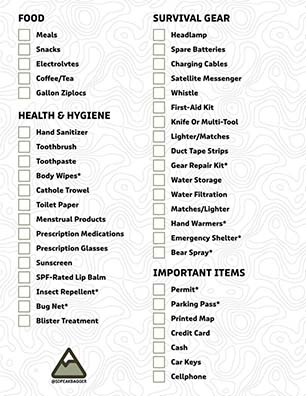
Heading out on a backpacking trip? I’m sharing my favorite backpacking gear, plus my backpacking list with everything you should need for a pleasant night out in the wilderness!
Backpacking has become one of my favorite activities! While I still love day hikes and peakbagging, backpacking has opened a whole new realm of adventures for me. Having backpacked over a dozen times from Little Lakes Valley in the Sierras, the California Riding and Hiking Trail in Joshua Tree, and the Trans-Catalina Trail, I have learned a lot about what to bring. This guide will share the backpacking gear I personally use, along with a printable packing list. Most of these items are must-haves, but a few luxury items have been added.
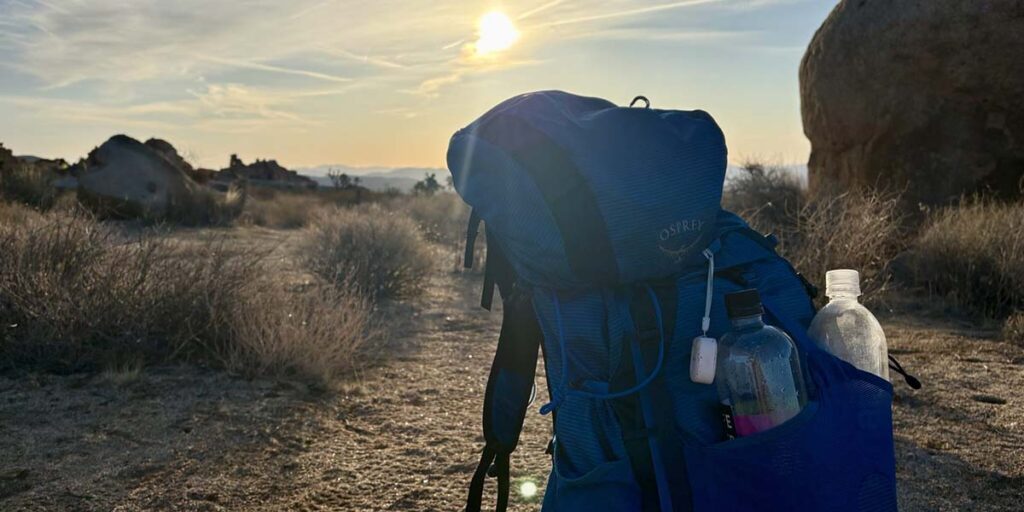
Backpack
I currently use the Osprey Exos 58 pack. I switched to this pack after having previously used the Osprey Atmos 65 pack. The reason I switched was mainly because of the pack’s weight. The Amos pack weighs 4.6 lbs, while the Exos is just 2.8 lbs.
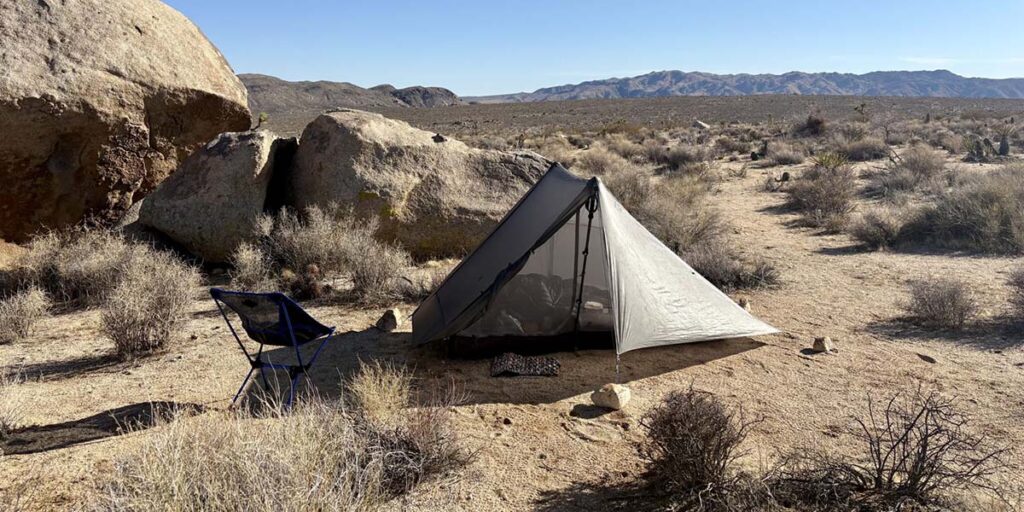
Tent
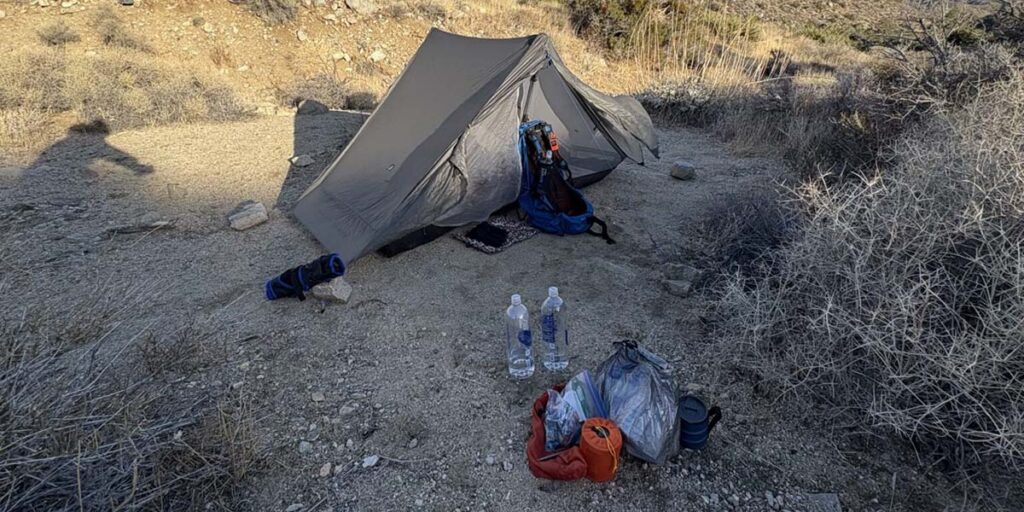
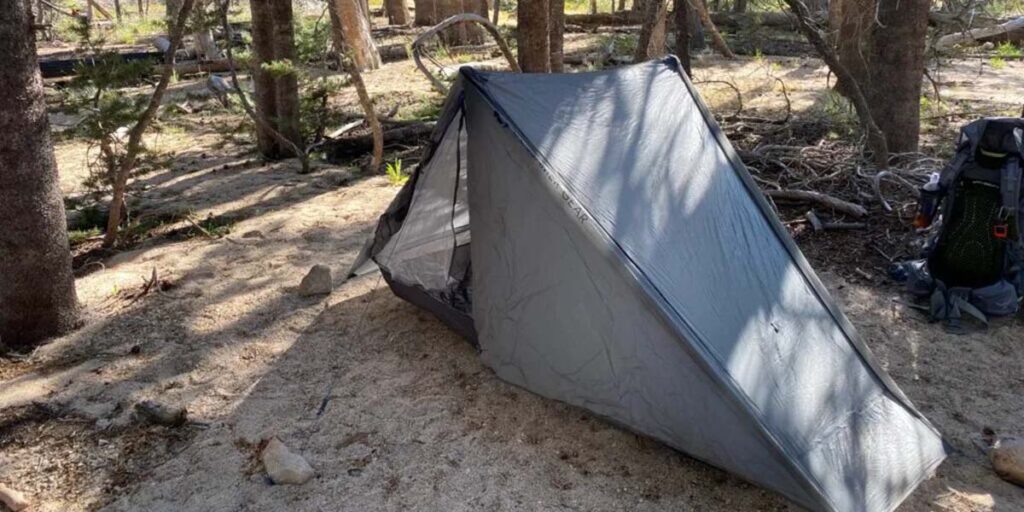
For my tent, I use the Gossamer Gear The One. This ultralight tent uses your trekking poles as its central support. The entire tent and its components weigh in at 1.4 lbs. This tent style takes some practice to set up, but once you get comfortable with the process, it works great. Before I got this tent, I used the REI Quarter Dome SL 1, and I still use it when I want a free-standing tent.
Sleeping Bag
Initially, I used an REI Zephyr 20 mummy sleeping bag, but quickly realized I toss and turn a lot more than I thought. I then switched to the REI Co-op Magma Trail Quilt 30, which gave me more freedom. After a chilly night in the High Sierras, I decided to upgrade to the Enlightened Equipment Revelation Sleeping Quilt (10° F). This quilt is even lighter and smaller than my REI quilt.
Sleeping Pad
Currently, I am using the NEMO Tensor All-Season Ultralight Insulated Sleeping Pad. This pad, paired with my sleeping quilt, has created a nice sleep system for me. I also carry a FlexTail ZERO Pump to inflate it after a long day on the trail.
Pillow
With my neck issues, a pillow is a non-negotiable. I just switched to the Cloud 9 UL Pillow from Enlightened Equipment. I like the integrated strap system that helps secure it from sliding around on the sleeping pad. I had been using the NEMO Fillo Elite Pillow to reduce my pack weight, paired with a Pillow Strap to keep the pillow from sliding around on the sleeping pad.
Slack Pack
When I need a small day or slackpack for any side hikes I might take while backpacking, I use the REI Flash 22 Pack.
Trekking Poles
I have been a fan of Cascade Tech’s Carbon Fiber Trekking Poles. I feel almost naked without trekking poles in my hands, plus I need them for my tent!
Chair (Optional)
While I don’t take this on every trip, I have been known to bring my Mountain Design backpacking chair if I don’t think I’ll find a log or something to sit on in camp (think the desert).
Cooking
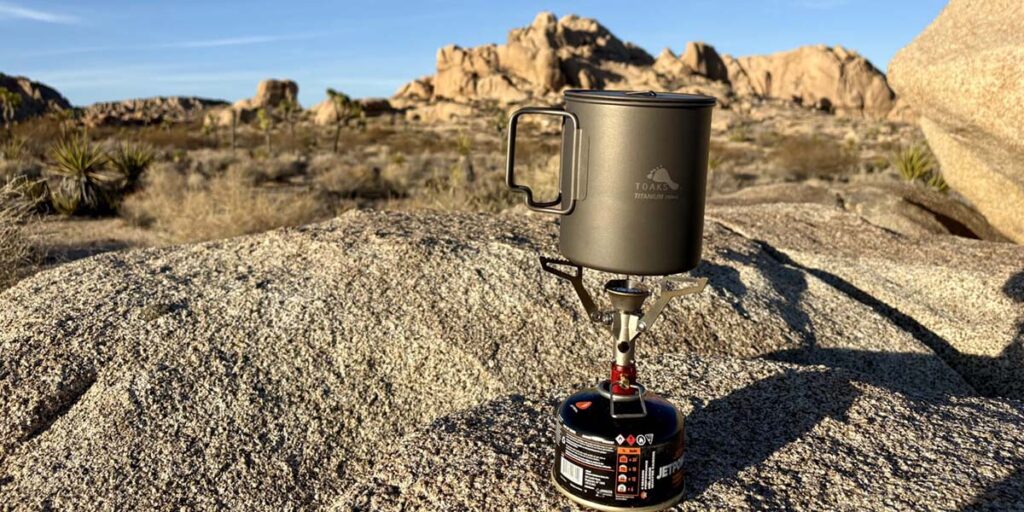
Backpacking Stove
Initially, I used the Jetboil Flash for my cook system, but I have switched to the MSR PocketRocket 2 Stove paired with a TOAKS Light Titanium 750 ml Pot. I still use the Jetboil when car camping to quickly boil water for some morning coffee or oatmeal.
Utensils
It is all about the spork! I use the Snow Peak Titanium Spork – Long. I chose this after getting my hands dirty with the regular-sized spork.
Mug
After using the Sea to Summit collapsible mug on many trips, I lamented, on one frigid morning in the Sierras, that my coffee had gone cold too quickly. So, I switched to carrying a GSI Outdoors Infinity Backpacker Mug. The inner portion of the mug is removable and has fill lines, allowing me to measure my water for rehydrating my meals. I will still bring my Sea to Summit mug for my morning oatmeal, keeping my Toaks pot solely for heating water.
Warming Bag
Another helpful item to have is a warming bag for your dehydrated meals. I use the Insulite™ Insulated Food Pouch from Big Sky International, which helps trap heat to assist in rehydration and keep your food warmer.
Ziplocs
I also have a few of these with me to store my trash or as an emergency waterproof case for my electronics.
FOOD

Breakfast
This might be instant oatmeal packets or Mountain House Biscuits & Gravy.
Coffee
For my morning caffeine fix, I use Starbucks Via packets. Since I drink it black, there’s no need to add any sweeteners or cream.
Lunch
Tuna kits, salami & cheese, and PB&J are options I will often have for my lunch. A lot depends on the length of the trip as to what I might bring.
Dinners
These are usually dehydrated meals, typically from Mountain House, although I am now exploring other brands and their offerings. Sometimes, if the timing is right, I might just pack a sandwich as dinner for the first night.
Snacks
These range from traditional snacks like trail mix, jerky, dried fruit, Mike & Ikes, energy chews, Kind Bars, and Nutri-Grain Bars.
Electrolytes
I am a fan of the Gatorade Zero packets (orange).
Food Storage Container
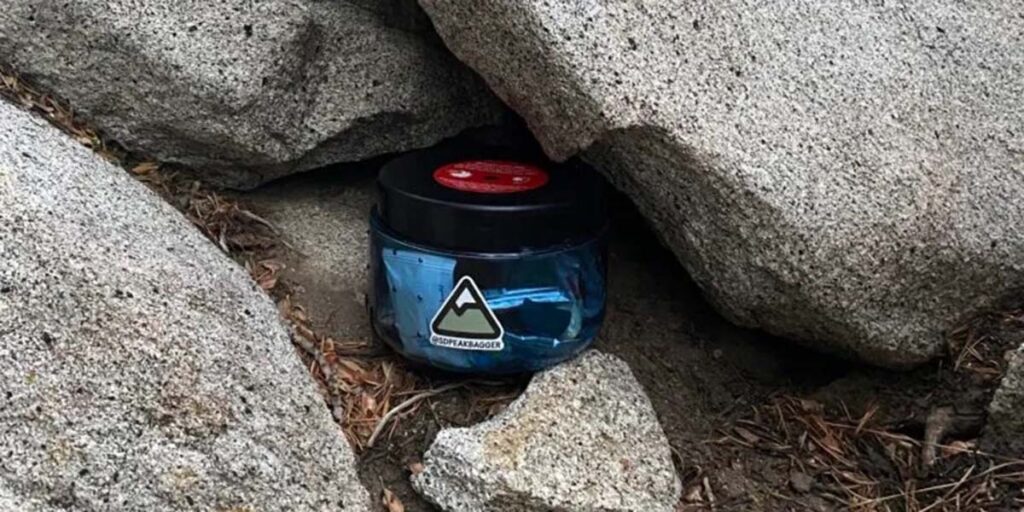
Depending on where I am hiking, I might need an actual bear-resistant container. Recently, I bought the Ultralight Bear Locker: Black Bear-Resistant Bag (14L) from ADOTEC for trips that do not require a traditional bear canister. If I need to use a bear canister, I have two from Bear Vault: the BV500 Journey Bear Canister for longer trips and the BV425 Sprint Bear Canister for shorter trips. If I don’t need that level of protection, I use Hyperlite Mountain Gear’s 10L Roll-Top Food Bag to help keep things more organized.
Safety Gear
I carry 10 essentials on any hike, and I highly suggest you do the same.
Knife
I have a small “Swiss army” style pocket knife that I can use.
Headlamp
I don’t rely on the flashlight on my phone for illumination while hiking. Instead, I carry the Black Diamond Spot 325 Headlamp (along with spare batteries).
Water Filtration and Storage
I use the Sawyer Squeeze as my water filtration solution, paired with a 3L CNOC water bag. Instead of Smart Water bottles for my water storage, I switched to the M!GO Bottle from Mazama Designs, and they rock!
Lighter
I use the Electric Arc Lighter from Olayks Store, but I may switch to a traditional BIC lighter.
Technology
EXTERNAL BATTERY + CHARGER CORDS
For both phones and cameras, you’ll need an external battery to keep them charged. I usually carry the Goal Zero Flip 36 Power Bank. I have a USB-to-USB-C cable and several adapters to recharge whatever I might need.
GARMIN INREACH
I always bring my Garmin InReach Mini when hiking. This gives me the ability to message family to let them know I’m okay, and it has SOS capabilities, which I’ve thankfully never used. It’s an expensive piece of gear, but truly one of the best investments you can make for your safety when backpacking. I also use OHM3’s Backpack Mount for my Garmin, which keeps it securely in place on my pack.
CELL PHONE
Some may call this the 11th essential, but I always have my iPhone with me. It serves as my primary camera and navigation aid (although I always carry a paper map and compass). Now that I have a newer model with satellite messaging, my phone is my primary way to check in with the family.
Clothing
Clothes tend to take up a lot of space, so I try to keep my clothing to a minimum when out backpacking.
TOPS
I recently started using sun-hoodies as my primary hiking/backpacking top. For in-camp, I will bring another hiking-capable shirt to switch into.
BOTTOMS
Depending on the trip, I might wear PrAna’s Zion IIs, REI’s, or Columbia’s convertible hiking pants.
INSULATED JACKET
Depending on where you’re backpacking and when you’re going, you will likely need an insulated jacket. My jacket of choice is from Mountain Hardware and has kept me nice and warm.
RAIN JACKET
If you have hiked in the Sierras, you know all about the afternoon thunderstorms. I carry the REI Co-op Rainier Rain Jacket in my pack.
UNDERWEAR
I carry one extra pair of underwear and switch out daily.
SOCKS
I highly recommend wearing wool socks! Darn Tough socks have been my go-to brand for years. Like underwear, I swap out every day. However, I usually change socks when I reach camp. This allows my feet to stay out of sweaty socks longer than needed.
SHOES
While I have been wearing Merrill Moab 2’s for a number of years, I am making the switch to trail runners, specifically Altra Lone Peak 9.
FLIP FLOPS (OPTIONAL)
Depending on the trip, I might bring my Xero Z-Trail Sandals. This really depends on whether the trip would entail being around water. If the answer is yes, these will probably be in my pack.
HAT AND SUNGLASSES
You want to protect yourself from the sun as much as possible, so be sure to pack a hat and sunglasses!
GLOVES
I am a big fan of sun gloves! Presently, I am wearing a pair from Outdoor Research to protect my hands from the sun. If my backpacking trip is expected to be cold, I will pack more traditional gloves for camp or the trail.
TOILETRIES
When it comes to toiletries, everyone has slightly different needs, but here are some common items to consider.
DAILY ITEMS
Don’t forget your toothbrush, toothpaste, and floss.
CHAPSTICK
My Chapstick stays in the hip pocket of my backpack so I can easily reapply throughout the day.
SUNSCREEN
Again, sun protection is critical, so make sure to bring some travel-sized sunscreen! A good hat and long-sleeved shirts are also key parts of your overall sun protection.
MEDICINE
I recommend bringing Advil (aka Vitamin I), a small first aid kit, and allergy medicine, just in case. Plus any daily medicines you might need!
BUG SPRAY
If you’re worried about bugs, pack some insect repellent. Also, if you’re hiking in an area with ticks, bring a pair of tweezers and a small Ziploc bag to keep the ticks in.
BUG NET
A bug net for your head is a lifesaver!
TOILET PAPER
I take a bunch off a roll and put it in a Ziploc. Make sure you pack out ALL of your toilet paper trash. I have a special Ziploc bag that I covered in duct tape to both hide the contents and provide a bit more strength.
CATHOLE TROWEL
Be sure to follow the Leave No Trace principle #3 and dispose of human waste properly. I use a lightweight trowel from TheTentLab’s The Deuce #2 UL Backcountry Trowel when I have to do my business in the wild.
HAND SANITIZER
A small hand sanitizer is in my kit for use before and after eating, as well as after taking care of the “call of nature”.
IMPORTANT ITEMS
PERMIT
Depending on where you’re backpacking, you may need to obtain and carry a permit. Be sure to have either an electronic copy on your phone or a printed version (which may be required).
PAPER MAP & COMPASS
Phones can fail, so having a physical map can be handy in an emergency. In addition to a physical map, you will need a compass to help in your navigation (assuming you know how to use a traditional map and compass, right?)
PARKING PASS
If the backpacking trip you’re completing requires a pass, such as the America the Beautiful National Parks Annual Pass or a local pass to the area, make sure to bring it and display it correctly!
DIGITAL NAVIGATION
You’ll likely be backpacking in areas with no cell service, so it’s a good idea to download the OnX Backcountry map and route for the hike. Be sure to download the trail before you lose cell service! OnX can simulate offline mode, so you can be confident that you have the digital data you need.
TELL A FRIEND
Whether you are going solo or with a group, make sure someone else knows where you are going, your route, and your expected return.