Laguna Meadow

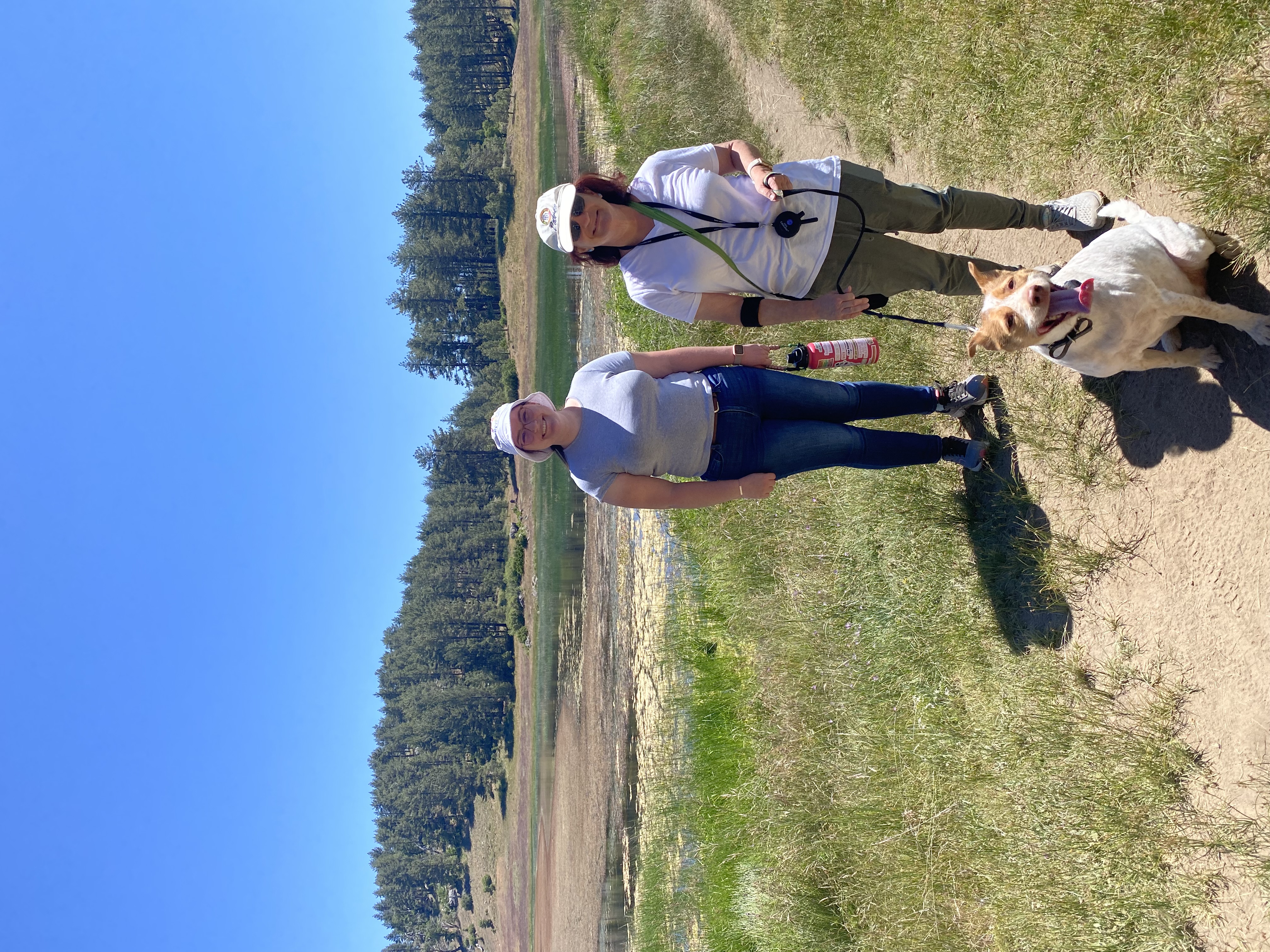
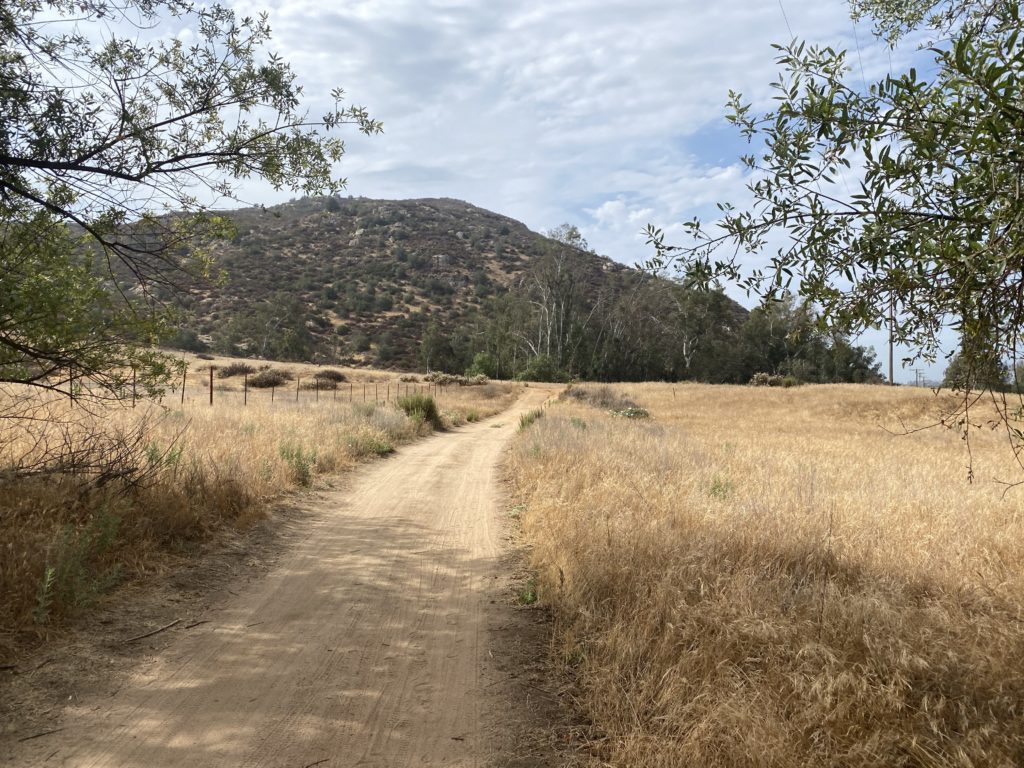
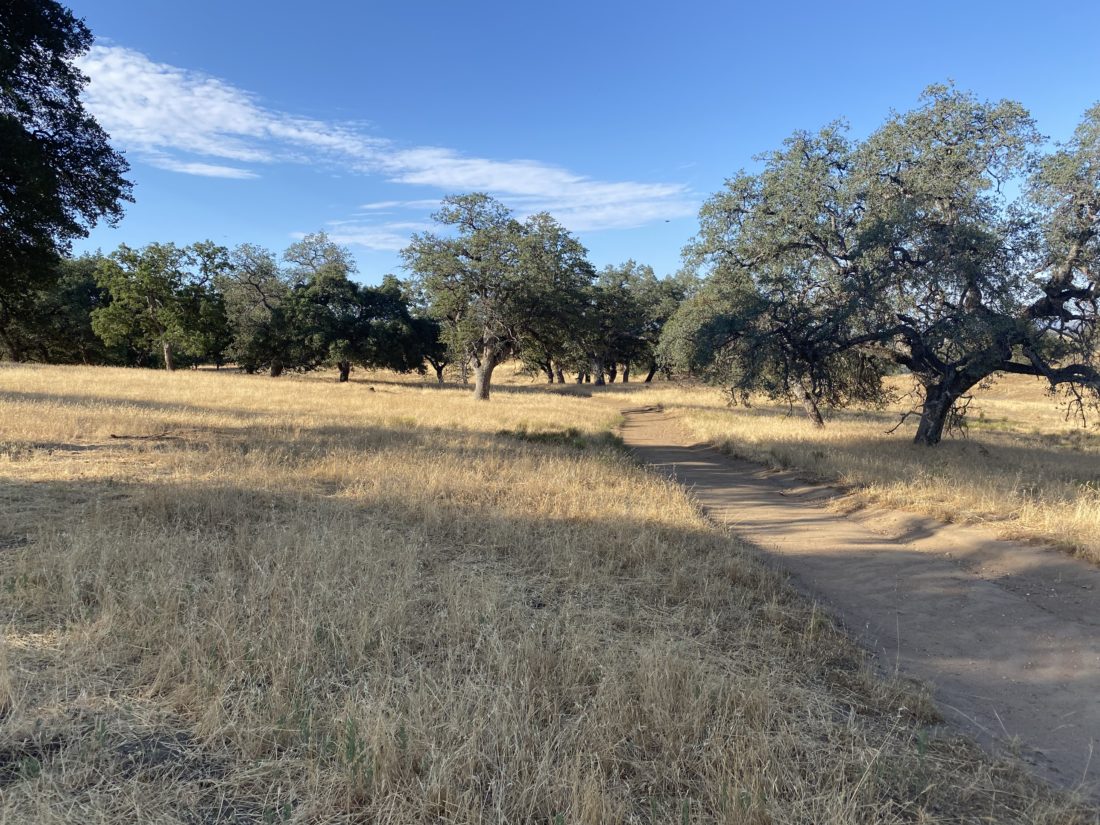
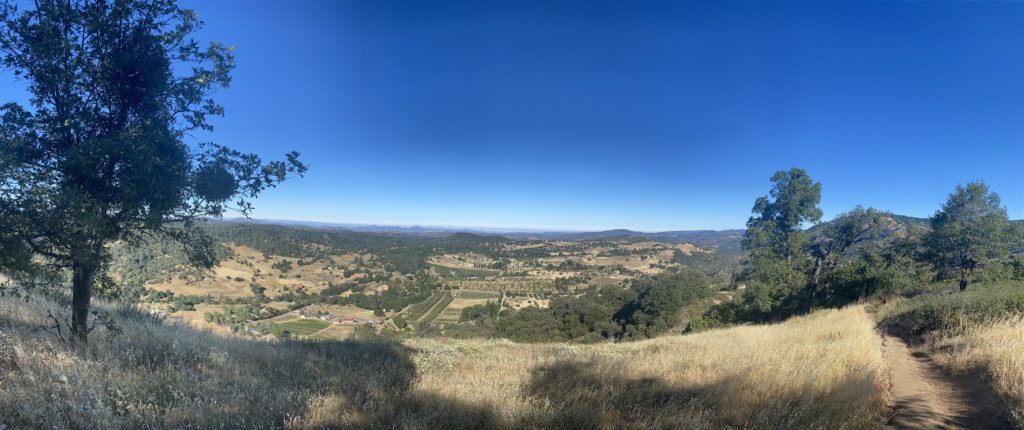
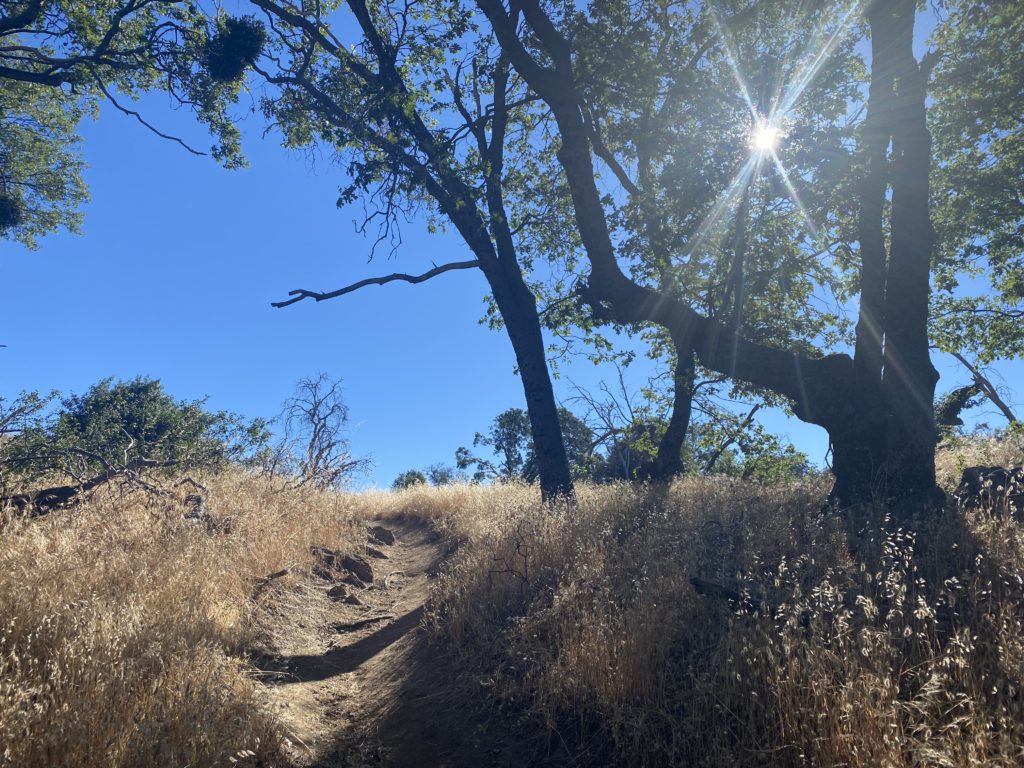
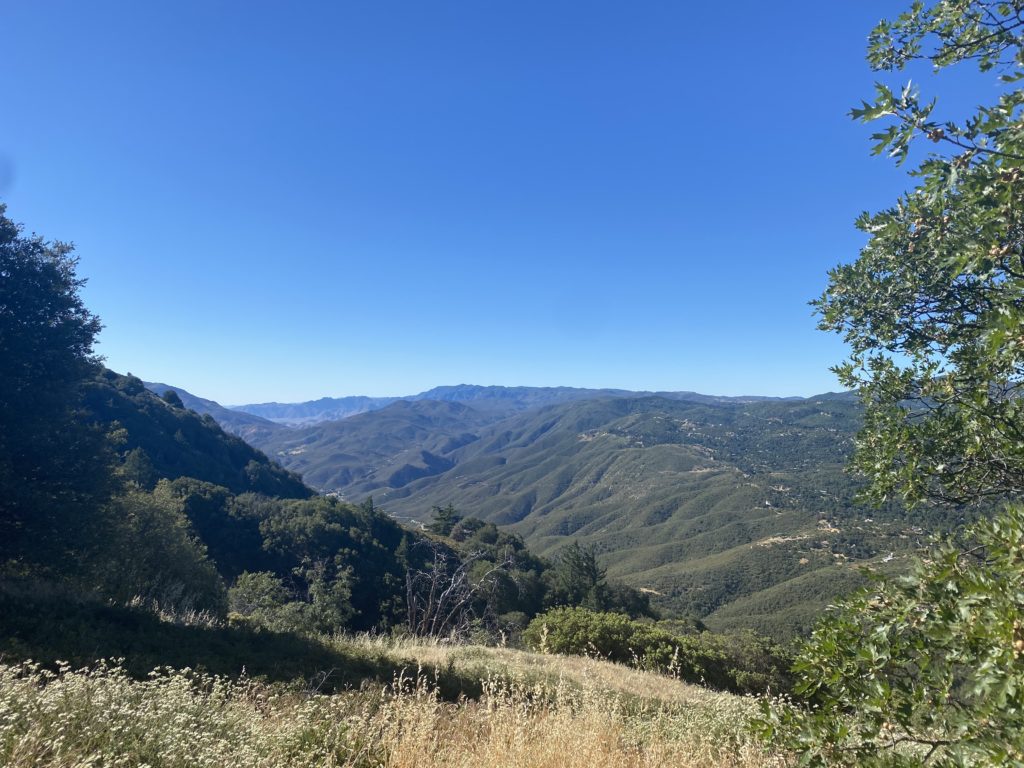
High wind warnings on Father’s Day kept us from driving up to Laguna Meadow for a hike. Thankfully, this past Sunday the weather looked almost perfect. The three of us drove up to the Laguna Campground and found some parking near the trailhead. After applying a good covering of sunscreen, we set off along the trail. We did not have an exact goal in mind, more letting my foot tell me what it could handle. I was hoping that I might break the 3-mile mark. 

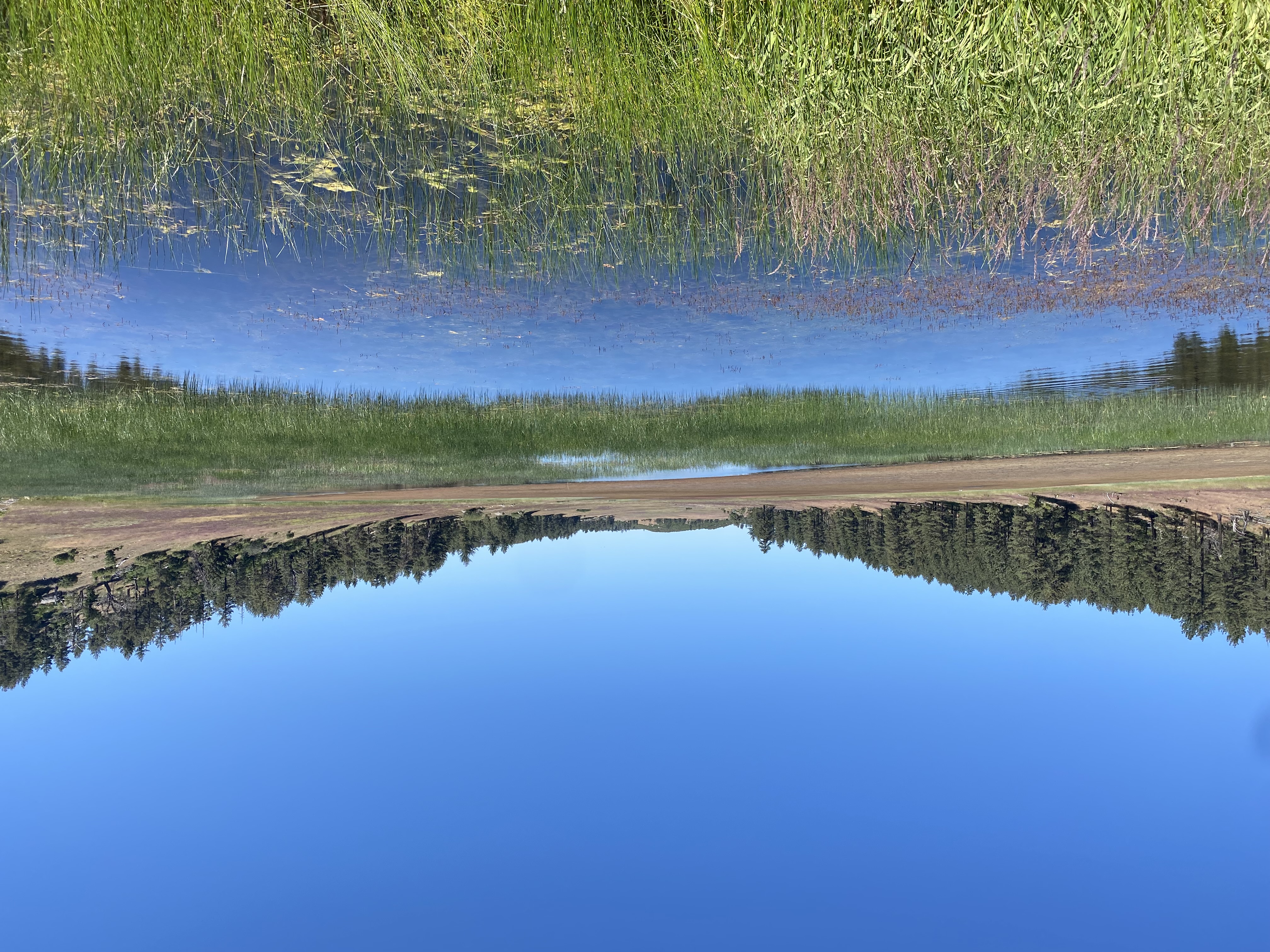
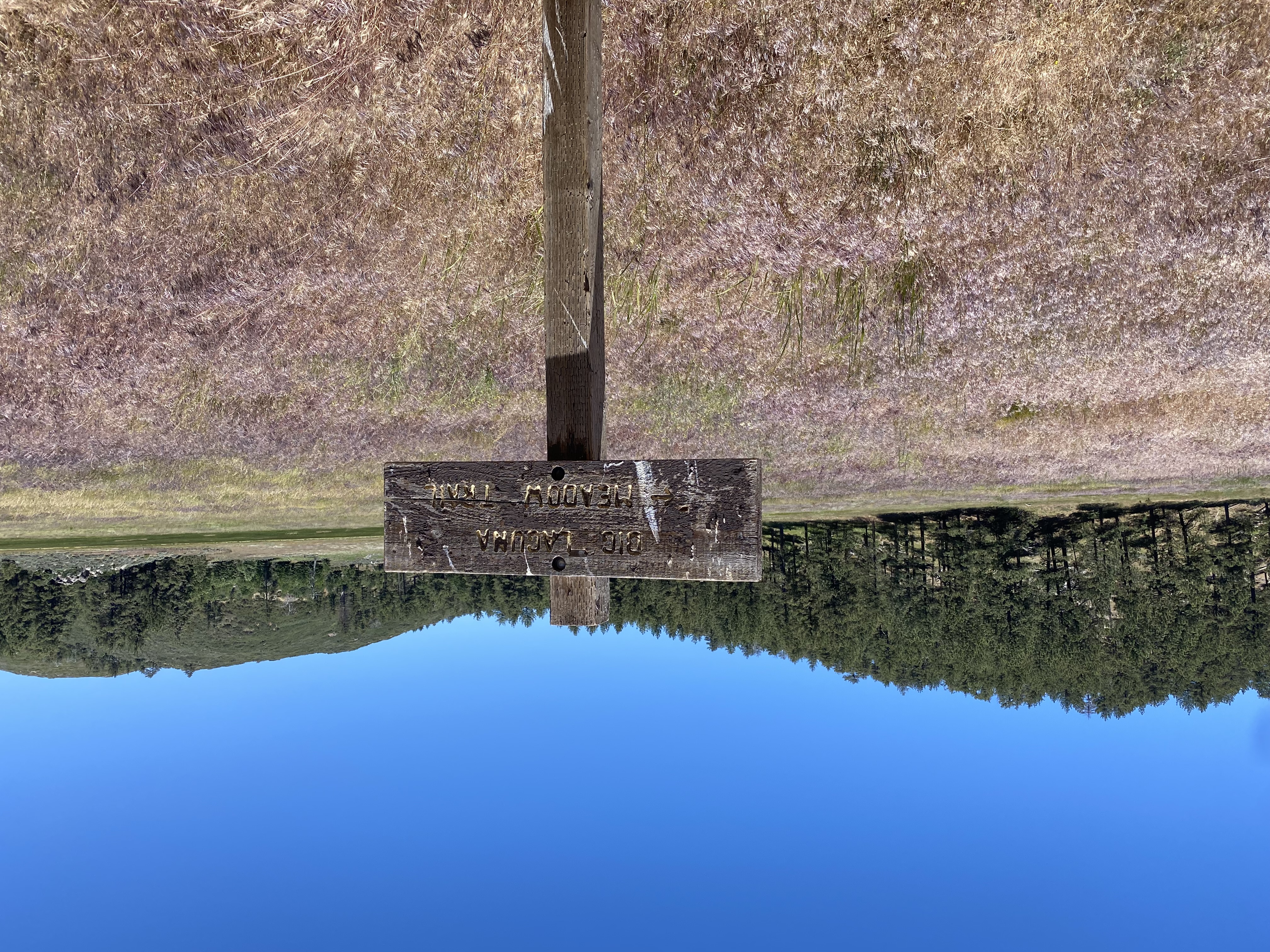
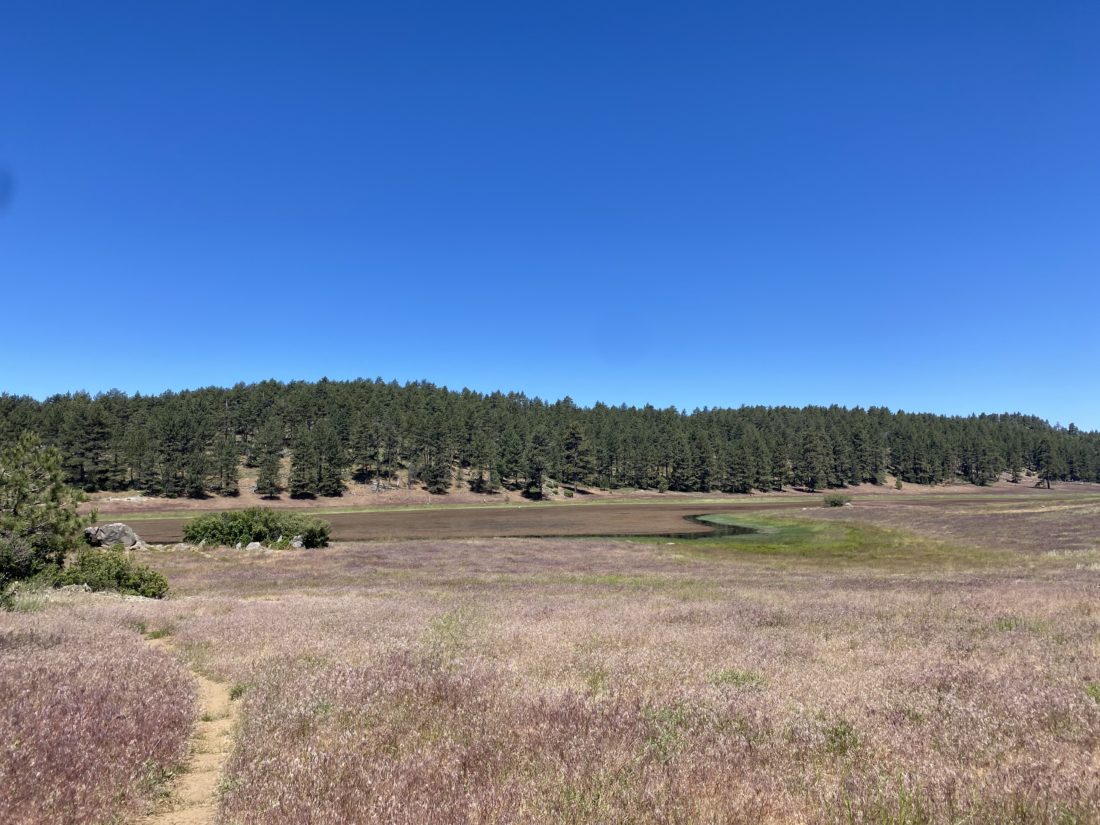
I opted to take the trail to the right, as it would pass closer to Little Laguna Lake. It still held water, along with a few ducks as well. We continued walking along the trail, stopping at times to let mountain bikers pass by. Just before we reached Big Laguna Lake, we climbed a small knoll to stop under the shade of some pines. This gave everyone a nice breather. Once everyone was rested and hydrated we set off to cross the small dam that forms the southern end of the lake. A herd of cows was milling around. I took the lead and had my wife hold our dog close. I slowly began crossing, giving the cows plenty of room and time to “moo-ve” along. The trail here was narrow and as you might expect a bit overgrown. Carefully looking down in the grasses to the side of the trail, tiny frogs could be spotted hopping around. I tried to grab a photo but had no luck in capturing anything. 

About halfway across the dam three mountain bikers, who had stopped at the end of the dam, decided they needed to cross while we were on it. So they forced us to stop off trail, while they rode past. I guess they never bothered to read those “who yields to whom” signs… I debated mentioning something but had a feeling it would fall on deaf ears.

Once across, we continued southwest toward the Water of the Woods and the Los Rasalies Ravine. At the junction with the Sunset Trail, we found some rocks to sit on under the shade of the trees. The meadow, the pond, the smell of the forest—this was what I have been missing for almost a year. While I wanted to keep going and turn this into a large loop, I felt it would be wiser for my foot to just return back the way we came.

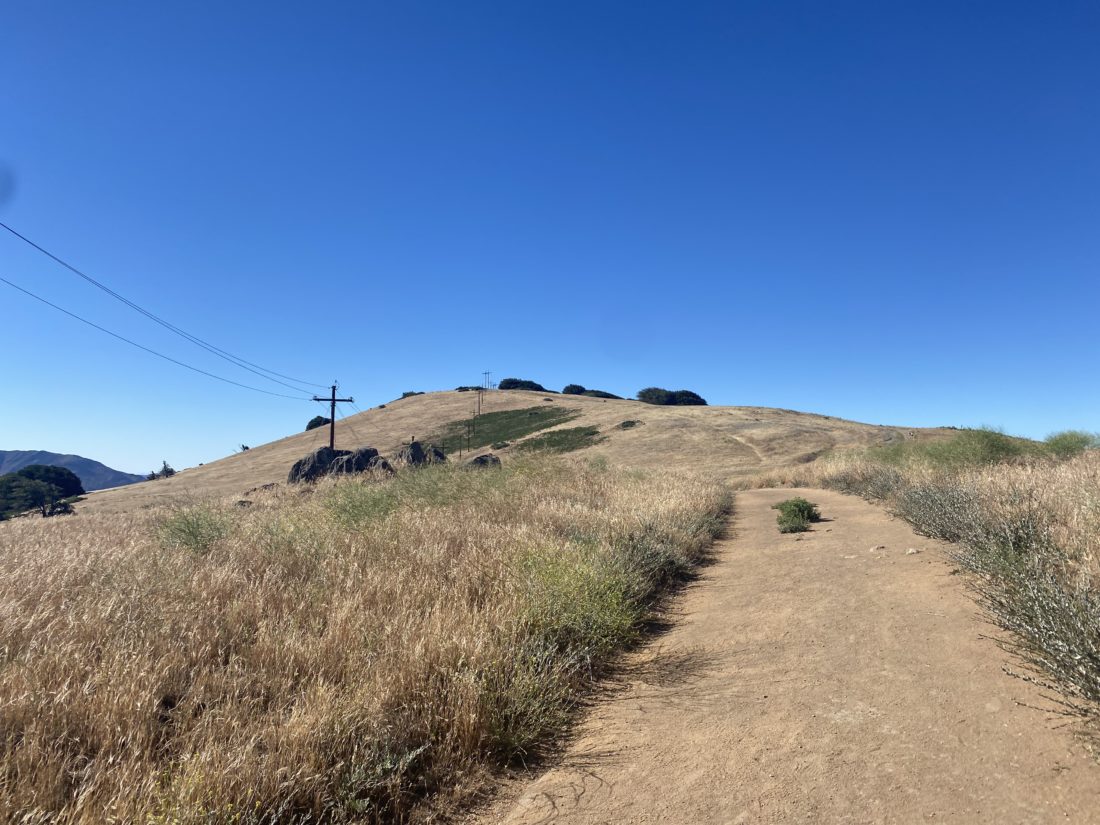
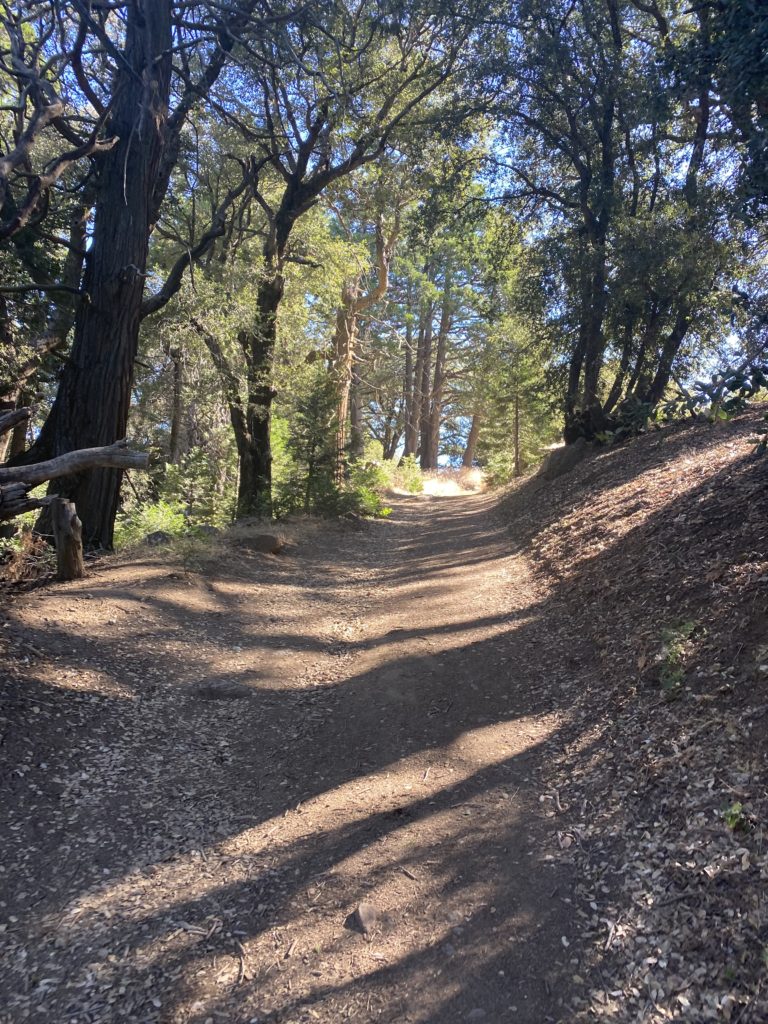
A few more bikers, along with some fellow hikers, passed us as we made our way back to the car. Instead of taking the exact same route back, I opted to have us cross over the meadow to the eastern side and use the Laguna Campground Spur Trail instead. This trail had a bit more shade, and since the day was warming up, it was welcomed by everyone. Soon, we spotted the glint of sunlight bouncing off the windshields of the cars at the campground. We stepped through the gate, and our hike was done. All told, we hiked 3.4 miles. With all the stops to allow folks to pass, the time was a tad on the slow side. But more importantly, the foot felt pretty good. A couple more hikes about this length and then it will be time to start adding some elevation gain into the adventures again!


Buy Me a Coffee at ko-fi.com

I am an avid peak bagger, sometimes backpacker, and former sea kayaker living in San Diego. I co-authored Urban Trails: San Diego, available now!

In 2019, I became the third person to complete the San Diego 100 Peak Challenge. Not stopping with that accomplishment, I set my sights on the harder San Diego Sierra Club 100 Peak list, which I completed in 2021. I’ve also conquered several Six-Pack of Peaks challenges (SoCal, San Diego, Central Coast, and both the Arizona-Winter and Arizona-Summer).

I look forward to exploring new summits and adventures across the Southwest. 
Bernardo Mountain

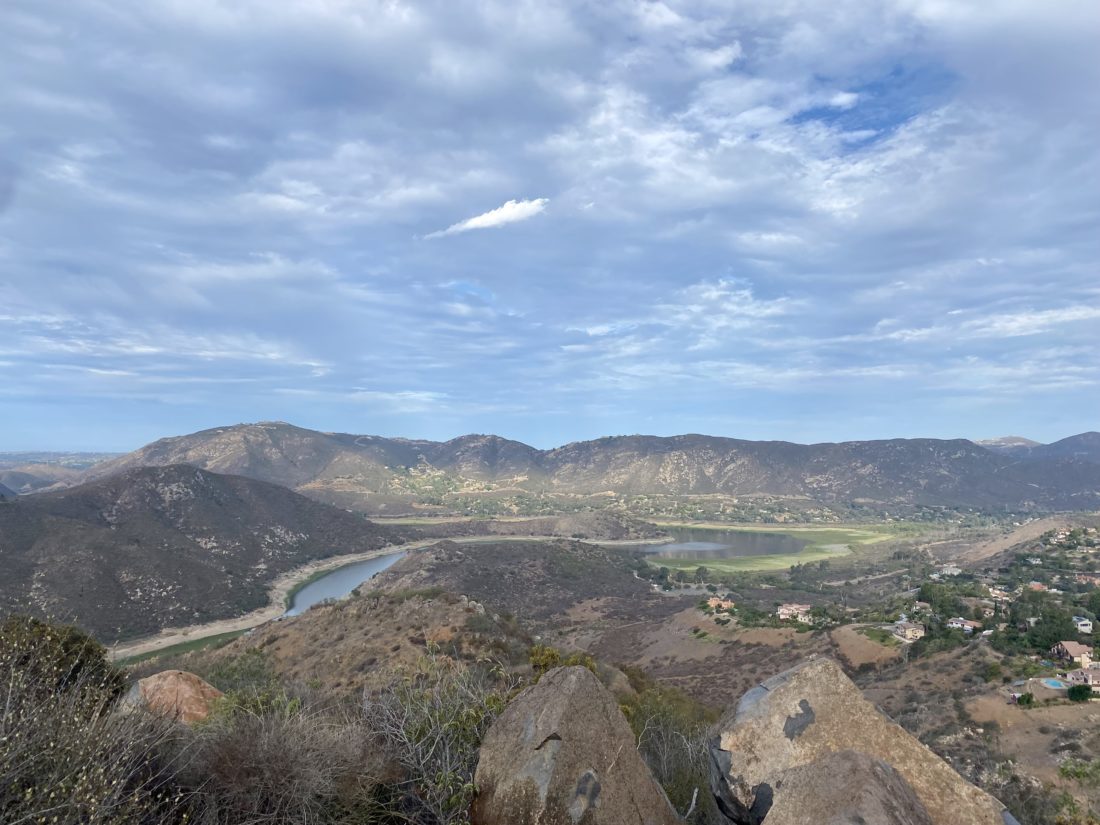
It has been a couple of months since my foot began hurting after hiking Volcan Mountain, so I thought would see if it could handle some time on the trail. I needed Bernardo Mountain to complete this year’s Coast to Crest Challenge, so I decided why not? Ted and his oldest son joined me for the climb to the top. Unfortunately, the forecast was for an extremely hot day, so this meant an early start. We set off from the Piedras Pintadas Trailhead and crossed over the dry lake bed. Repairs to the Lake Hodges Dam meant much of the lake had been drained, making for some interesting scenery.

We made our way toward the mountain, the warmth of the day was already being felt. We kept a measured pace, in part to the heat, but also for my foot. The trail wrapped around the mountain, making its ascent toward the summit. Soon, we found ourselves there, sharing it with one other fellow adventurer. I took my required “selfie” at the summit and we began our descent.

The empty lake bed was quite interesting to see. Thankfully no unpleasant surprises have been discovered like in the receding Lake Mead… We returned to our cars feeling the full effects of the blazing heat. It was just past 9:30 in the morning and the thermometer was reading over 90°F! We said farewell and retreated into the air-conditioning of our cars. My foot did feel some pain, so I knew I needed more rest before my next adventure.


Buy Me a Coffee at ko-fi.com

I am an avid peak bagger, sometimes backpacker, and former sea kayaker living in San Diego. I co-authored Urban Trails: San Diego, available now!

In 2019, I became the third person to complete the San Diego 100 Peak Challenge. Not stopping with that accomplishment, I set my sights on the harder San Diego Sierra Club 100 Peak list, which I completed in 2021. I’ve also conquered several Six-Pack of Peaks challenges (SoCal, San Diego, Central Coast, and both the Arizona-Winter and Arizona-Summer).

I look forward to exploring new summits and adventures across the Southwest. 

Little Lakes Valley

After spending the night at the Grandview Campground, I made my way toward Mosquito Flat Trailhead to begin my backpacking trip in Little Lakes Valley. While I could have made breakfast at the campground, I had a recommendation to stop at the Rock Creek Lakes Resort and have breakfast there instead. After enjoying some eggs, toast, and coffee out on their deck, I hopped back in the car and continued driving toward the trailhead. While it was just after 9:30, I got the last available parking spot. There were some available in the overflow section about ¼ mile back down the road. As a point of trivia, this parking lot is the highest paved trailhead in the US at 10,200 feet!

My basic plan was to saunter along the trail, soaking in the views until I reached Chickenfoot Lake, and then find a campsite. Once I had my camp set up, I would then continue exploring the valley up toward its end at Gem Lakes. After taking advantage of the pit toilets at the trailhead, I set off down the trail. The sounds of Rock Creek flowing past me filled my ears. The trail would take me past several lakes, each with its unique beauty. 

Since I was in no hurry, I made sure to keep my pace relaxed. This was in part to manage my foot, but also to remember the fact I am hiking at over 10,000 feet. The trail would gradually climb for a bit, then rise up a bit as it neared a lake, then it would mostly level out again as it passed by it, then repeat the cycle again.

After formally entering the John Muir Wilderness, the next milestone was the junction with the trail that could take you up to Ruby Lake and over Mono Pass. But that was for another adventure. Soon, my first lake, Mack Lake, would come into view. This lake sits down a bit from the trail, so I did not go exploring it. I could see some folks trying their luck in fishing. Over the two days out in Little Lakes Valley, I saw quite a few folks with fishing rods along the trail.

Continuing on, I soon came to my second lake, Marsh Lake. I left the main trail and followed a small spur trail to get an even better view of the lake. I had barely begun this hike and was already blown away by the beauty of the area. Once back on the main trail, and after a short climb, the next lake would open up before me. The trail now hugged the shoreline of Heart Lake. Here a string of Boy Scouts passed me, returning from their overnight adventures. 

Side streams would flow into the lakes. Some of them had real bridges, while others were just rock-hopping across. My next lake along the trail was Box Lake. Much like Mack Lake, this one sits slightly below the trail. Checking my tracker, I had covered about half of the planned 3-mile hike to the campsite.

So far, everything was feeling good as I made my way up toward Long Lake. The trail passes on the left side of the lake, along a rocky shoreline. I could start to see the landscape changing, transitioning from the forest into the alpine. I knew after Long Lake, I would reach the junction with the trail that would take me over to Chickenfoot Lake. 

One of the reasons for picking this lake to set up camp is that it sits off the main trail and is a bit more secluded from the main trail traffic. I worked my way up and over to the lake. While the gain is not much, being at altitude certainly has an effect on the effort needed. I passed several sites but wanted to survey my options before picking one. I found a nice one with a good view of one of the “toes” of Chickenfoot Lake and began to set things up. As I headed down to the lake to filter some water, a couple of hikers were nearby enjoying their lunch in the shade. It turns out one of them was the volunteer at the Bristlecone Forest Visitor Center and the one who swore me in as a “Junior Ranger”. Small world… I quickly filtered some water, as I was hungry as well. I tried a new method of filling my ‘dirty’ Sawyer bags by using a Ziploc bag to scoop the water from the lake, then transfer it into the Sawyer bags. This worked like a charm. No more struggling to fill them via their small openings. 

After stashing my bear canister, I tossed some items into my slack pack and set off to explore the rest of the valley. I rejoined the main trail and headed toward the Gem Lakes. Rising to my left was Morgan Pass. Apparently, there was an effort to have a road cross it and come into the valley from that direction. In fact, the frame of one of those cars sits rusting by the side of the trail. I gave serious thought to climbing up to the pass, but the desire to see the lakes won out.

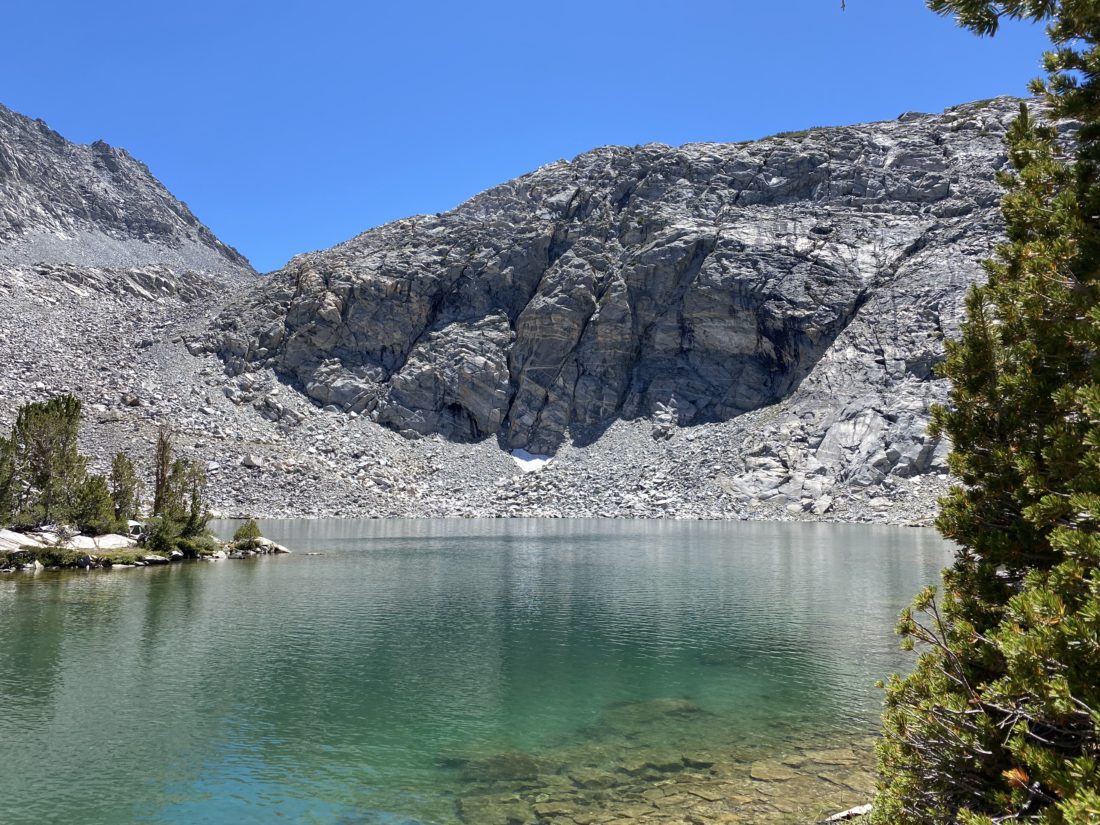
Gem Lakes is a small collection of about 5 or so lakes at the end of the valley. The two main lakes sit almost next to one another at the actual end. A few wildflowers dotted the trail as I hiked toward it. The steep walls of the valley gave me a clear idea of how much further I had to go. I came up over the small rise, and the main lake spread out before me. Some snow still remained tucked against the rocky talus of the northside of the slope. Some folks had pitched their tents at some of the available spots along the shoreline. I followed the trail along it until I reached the western shore, then found a comfortable spot and just relaxed. 

I decided to head back to my camp. I kept eyeing the climb up Morgan Pass and gave it one last consideration at the junction, but I knew I needed to stay conservative as I still did need to hike out tomorrow. Once back at the camp, I gave my feet a nice soak in the cold lake. I figured they had earned that reward. I found some shade, kicked back, and listened to an audiobook for a while. 

As the sun began to set behind the mountains, I left the shore and began making dinner. I sat against some rocks, gazing at the water while eating my meal. The bugs started to come out, so I opted to retreat to my tent and continue my audiobook for a while. Soon, I could feel sleep coming on and I drifted off. Since it was one day after the full moon, I knew I was not going to have a dark sky to enjoy. Around midnight I woke up and poked my head out of the tent to be rewarded with a magical sight. The glow of the moon was lighting up the mountains and I hoped my phone’s camera captured it. Thankfully, it did.

I woke a bit before sunrise, which was fine as I had hoped to also capture some of the early morning aspenglow. I tried to have some breakfast, but I just wasn’t feeling it. I guess the altitude was getting to me a bit. As I was packing, I got the moon setting behind the pointed peaks to the west, and a few minutes later, I got my aspenglow.

Those pancakes back at the Rock Creek Lake Resort were sounding really good, so I set off. The air was calm as I neared Box Lake, and its smooth surface was a wonderful mirror of the majestic mountains behind it. While the hike out was going to be mostly downhill, I did have a few small bumps to cross over. Several of the other lakes also provide similar shots as I drew nearer to the trailhead. About halfway back, I started to encounter some other hikers, and quite a few dogs as well. I stopped and chatted with some, as they inquired about where I had camped, much like I had done the day before.

The sun finally rose above the high valley walls just before I reached the trailhead. With that my adventure in Little Lakes Valley was drawing to a close. As I made my way to the parking lot, a couple in a truck asked if I was leaving. I told them “yes, in a bit”. They swung around and politely waited for me to switch out of the hiking gear and clean up a bit before heading out. The parking lot was once again full. As I drove away, I saw several folks walking up from the overflow lot to begin their hike. I once again sat on the deck, enjoying a warm breakfast, scrolling through the hundreds of photos I took across the three days, being ever thankful for the opportunities to find peace and joy in this world.

The drive home was uneventful, just long. I made a quick stop at Erick Schat’s Bakery for some bread to bring home and picked up my other Junior Ranger badge at the Eastern Sierra Visitor Center. Once home, I unloaded the car and gave it a good airing out as we needed it to pick up my daughter later that night from the airport. Another great trip was now in the books. And as an added bonus, my foot did ok. 


Buy Me a Coffee at ko-fi.com

I am an avid peak bagger, sometimes backpacker, and former sea kayaker living in San Diego. I co-authored Urban Trails: San Diego, available now!

In 2019, I became the third person to complete the San Diego 100 Peak Challenge. Not stopping with that accomplishment, I set my sights on the harder San Diego Sierra Club 100 Peak list, which I completed in 2021. I’ve also conquered several Six-Pack of Peaks challenges (SoCal, San Diego, Central Coast, and both the Arizona-Winter and Arizona-Summer).

I look forward to exploring new summits and adventures across the Southwest. 

Ancient Bristlecone Forest

As my backpacking trip in Little Lakes Valley drew near, I began to have concerns about the weather. While the chance of an afternoon thunderstorm is common during this time of year in the Sierras, I began thinking of having some backup plans just in case there was some serious weather. Whitney Portal has been closed twice, Death Valley, Mojave National Preserve, and Joshua Tree were all affected by some significant rain events recently. With a 6+ hour drive to reach the trailhead, I’d be arriving probably in the early afternoon, then possibly hiking out to my planned campsite under the threat of rain or worse. So I began exploring other ideas. One that came to mind was to visit the Ancient Bristlecone Forest, which lies to the east of the town of Big Pine. I could explore the two groves of bristlecones in the afternoon, then spend the night at the nearby Grandview Campground. The next morning, wake up, make the drive to the trailhead, and make camp well before any weather that might appear.

Although the forecast looked great for the trip, after looking closer at my backup plan, I decided it was even better than my original one. I left San Diego around 5:30 am, mostly to reduce my time getting through traffic. While I had some, soon I was cruising up the 395 toward my first stop, Copper Top BBQ in Big Pine. I pulled in just after they opened and ordered lunch. As I ate my lunch, I called my daughter who was getting ready to come home from her summer internship in Sen. Feinstein’s office. With lunch done, I refueled the Outback before heading east on the 168. The road quickly began climbing away from Owens Valley and I could see evidence of the recent rains strewn across the road. After about 20 minutes, I turned north onto White Mountain Road. The road continued to climb…7,000 feet, 8,000 feet… I passed the entrance to Grandview Campground and considered tossing my tent in a spot to hold it. The campground does take reservations, so there might not be an available site. I decided since it was a Thursday, I should be ok. Plus I was planning to sleep on my Luno air mattress that fits in the back of the Outback, so I did have a lot of flexibility as to my potential camping options if for some reason the campground was full.

The paved road kept climbing toward the Ancient Bristlecone Forest Visitor Center. I pulled into the parking lot and was pleasantly surprised to see about 15 or so other cars here as well. I grabbed my slack pack and headed to the gorgeous visitor center building. Inside I looked over the various exhibits and then spoke with the volunteer about my planned hike. One of the other reasons for this hike was to make sure my foot would be able to handle the planned hiking I had ahead of me. Plantar fasciitis had flared up in my right foot recently, and while I have been treating it aggressively, it would still have bouts of pain. Plus all that driving did not help matters.

There are three trail options; the short 1-mile Discovery Trail, the 3-mile Cabin Trail, or the 6-mile Methuselah Trail. I picked the Cabin Trail as it was about the same length as the planned hike for tomorrow. If my foot had issues with that length, better to know now. The trail climbed a short hill before leveling out as it neared the Cabins and Mexican Mine site. This is what the information sign said about the site:

THE MEXICAN MINE – 1863

THE FIRST NON-NATIVE EXPLORERS in the White Mountains were miners looking for gold and silver. You are at the site of the old Reed Mine, first established in 1863 – one of the earliest mines in the White Mountains. It was named after Reed Flat, the open sage-filled “meadow” just across the road west of here. The mine looked promising and plans were made to bring in a large crew to begin full scale production. Lead and zinc ore were extracted in small quantities but nothing resembling the “intense development” that was planned. Imagine the frigid weather, supply problems and other hardships that plagued the miners – all this at 10,000 feet!

The mine changed hands several times and was finally sold to the Mexican Mining Company of Carson City, Nevada and renamed the Mexican Mine. Abandoned in the early 1950’s, it reverted back to public ownership. The buildings and shafts have not been stabilized and are not safe for entry.

Continuing on past the ruins, the trail began climbing again. While not steep, we were at 10,200 feet. That was another bonus for me, to spend some time at altitude doing some acclimatization before heading off with a full backpack. 

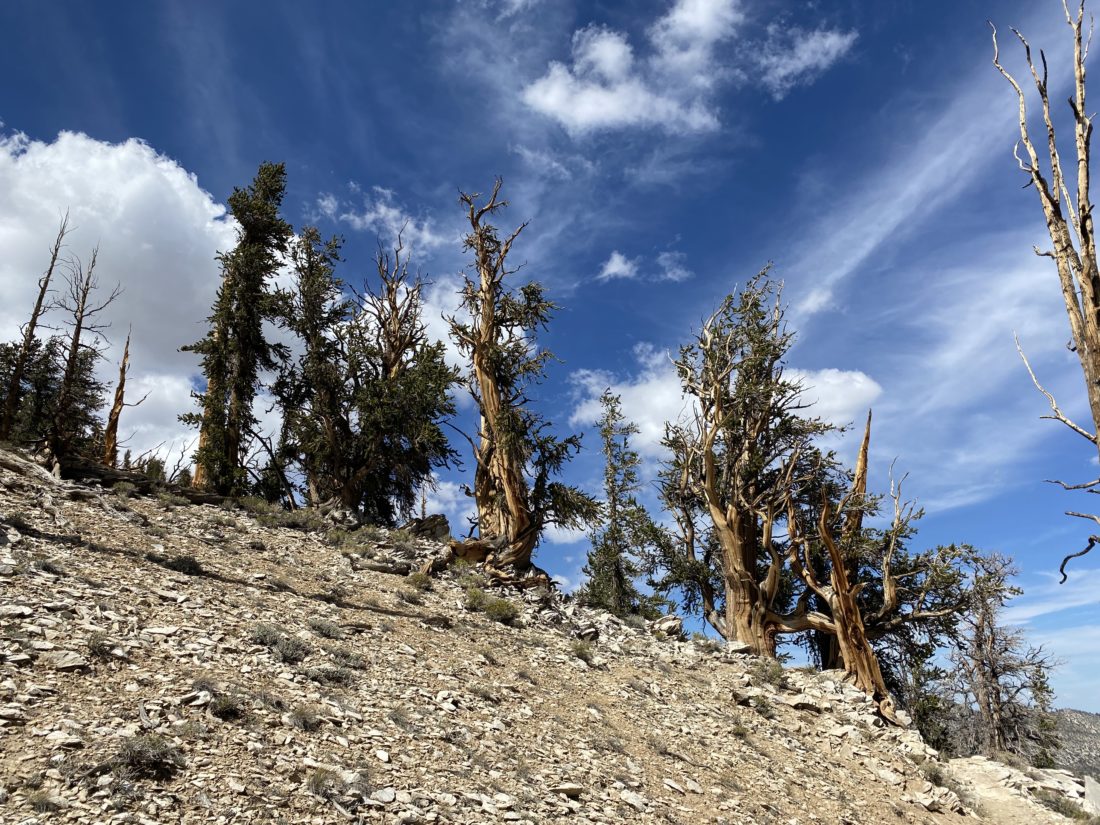
I passed a nice bench that I am sure has seen many winded hikers. After passing the remains of the upper mine, I continued up toward the saddle between the Schulman Grove Overlook and Mexican Mine Peak. Bristlecone trees dotted the landscape, each one a unique shape. 

The trail now descended until it connected with the Methuselah Trail. I had yet to see another hiker, and the peacefulness amongst these ancient trees was welcomed. Once I was on the Methuselah Trail, I did pass a few others who were making the longer journey to try to see the oldest known living thing. I wanted to make sure I could do my actual planned hike, so I resisted temptation and continued on back to the visitor center.

More incredible bristlecones lined the trail, and views of Nevada and Death Valley to the east, as I continued on. Soon, I was back at the visitor center. My foot was feeling the hike and the drive, so I decided not to attempt the Discovery Trail. I did, however, inquire if they had a special Junior Ranger badge. I had picked up the booklet for the Inyo National Forest from the Eastern Sierra Visitor Center in Lone Pine, which is worth the stop as well. It turns out they do, so I took the booklet, did the activities, and earned another one for my collection.

It was still early, so I decided to drive up and see the Patriarch Grove, home to the largest of Bristlecones. This would let me see more of the road to the start of the hike up White Mountain, which is on my bucket list. Just after Schulman Grove, the pavement ended and became a well-graded dirt one. But for the most part, it was in fine shape. After about 30 minutes and some gorgeous views, I came to the turnoff to the grove. The quality of the road became rockier and I took extra care as I drove the one mile to the parking area. I had some cans of tire sealant just in case. The parking area was empty. I followed the path toward the Patriarch Tree and stood before its immense size. A marker told a bit about the discovery of this tree. I continued on the trail for a bit, being mindful of my foot. Once I had seen enough, I returned to the car. While the Cottonwood Basin Overlook Trail was only ½ mile, I did not want to risk bothering my foot further. The call of Little Lakes Valley was too strong. 

I drove back down toward Grandview Campground, but before I got there, I stopped at the Sierra View Overlook. This was a short walk to a small bump that offered a great view of the Eastern Sierras, and as a bonus is listed on Peakbagger. 

I pulled into the campground and surveyed the possible open sites. The first couple did not work as the parking area was not flat, but I did locate one that fit the bill perfectly. I inflated the system, broke out my folding chair, and enjoyed the mountain air. After dinner, I tried to enjoy a campfire, but the wood I bought in Big Pine was just too wet to stay lit. I finally gave up and hit the pillow. I recently bought window shades for the rear windows and was glad I did, and it helped keep the full moon’s light out of my eyes.

I woke just before sunrise, had some coffee, and repacked what I needed to. The plan was to grab breakfast at the Rock Creek Lake Resort and then hit the trail by mid-morning. Once I made it back to Big Pine, I took advantage of having a cell signal again and took care of a few things before I continued on toward Little Lakes Valley. 


Buy Me a Coffee at ko-fi.com

I am an avid peak bagger, sometimes backpacker, and former sea kayaker living in San Diego. I co-authored Urban Trails: San Diego, available now!

In 2019, I became the third person to complete the San Diego 100 Peak Challenge. Not stopping with that accomplishment, I set my sights on the harder San Diego Sierra Club 100 Peak list, which I completed in 2021. I’ve also conquered several Six-Pack of Peaks challenges (SoCal, San Diego, Central Coast, and both the Arizona-Winter and Arizona-Summer).

I look forward to exploring new summits and adventures across the Southwest. 

Raptor Ridge Trail

Decided to hike out to Raptor Ridge with my wife and dog. The parking lot had about 6 cars in it when we arrived. Rocky hopped out of the car ready to go!

We cruised along together making our way to the end of the flat section of the hike. Several groups of mountain bikers passed us. I usually have hiked this trail during the week and rarely see anyone, so it was nice to see it being used.

Anita and Rocky took a well-earned break while I began the climb up to the viewpoint. I had noticed some tenderness in my right foot after last week’s hike, and I was starting to feel it again. Once at the viewpoint, I snapped a few photos and let Anita know I was making my way back. As I descended, I could feel the pain increase. Ugh.

I made my way back along the trail, knowing that I was now looking at an extended break to let my plantar fasciitis recover. The question will be for how long?  I caught up with Anita and Rocky as they were taking a break at the table near the junction with the Mule Hill Trail. Despite my foot, we all had a nice time on the trails. My final hike on this year’s Coast to Crest Challenge is going to have to wait, along with my various other hiking adventures. 


Buy Me a Coffee at ko-fi.com

I am an avid peak bagger, sometimes backpacker, and former sea kayaker living in San Diego. I co-authored Urban Trails: San Diego, available now!

In 2019, I became the third person to complete the San Diego 100 Peak Challenge. Not stopping with that accomplishment, I set my sights on the harder San Diego Sierra Club 100 Peak list, which I completed in 2021. I’ve also conquered several Six-Pack of Peaks challenges (SoCal, San Diego, Central Coast, and both the Arizona-Winter and Arizona-Summer).

I look forward to exploring new summits and adventures across the Southwest. 

Santa Ysabel East Loop

With the Excessive Heat Warning in place, I knew that whatever hiking I did need to be early in the morning and not too strenuous. I still had some hikes left on this year’s Coast to Crest Challenge and the Santa Ysabel East Loop fit the requirements perfectly. Ted and I arrived just before 7:30, and there was one car parked at the trailhead. We gathered our gear and set off, the day was already warm as we made our way past the herd of cows munching away on the grasses.

After safely passing the cows, the trail began its climb up toward the top. We would gain over 500 feet is just about 1/2 of a mile. That certainly got our heart rates up, plus we could feel the warmth of the day.

We came to the junction of the loop and decided to take it counter-clockwise. After a brief flat section, we had a small climb to the next junction. Here a couple of picnic tables are tucked away under the nice of some oaks. I took my selfie for the challenge. Ted had never hiked here before, so I point out the trail leading off from here that would connect to the Kanka Flat section of the preserve. I have yet to hike this section, maybe this fall I will…

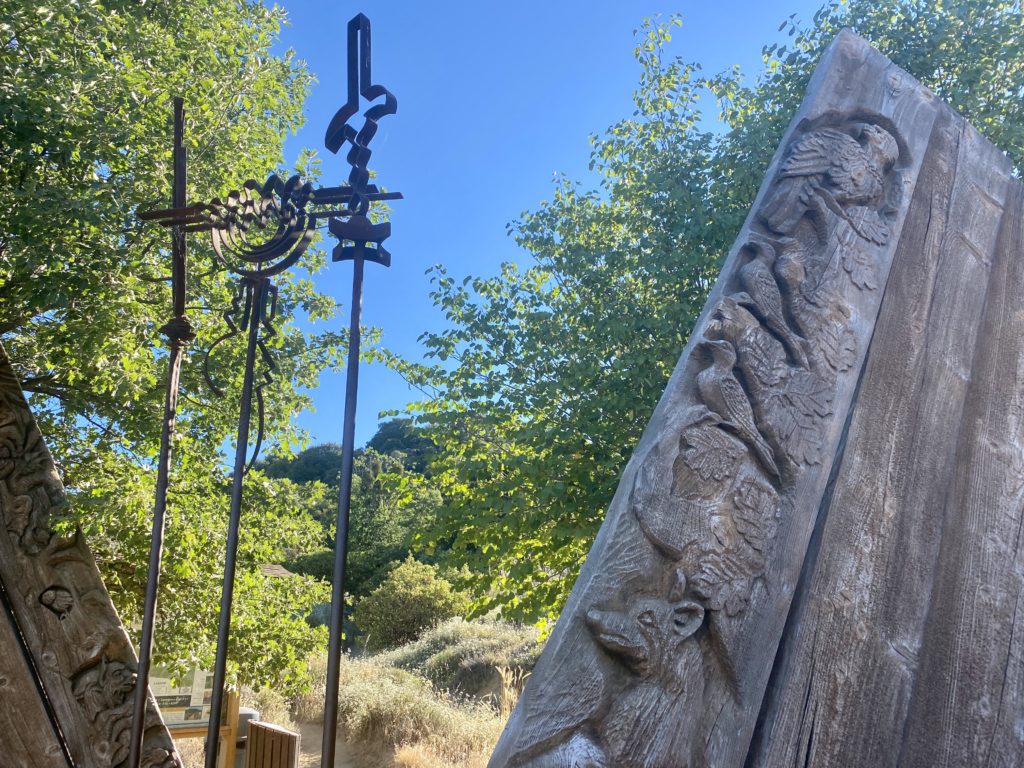
Everyone who hikes this trail is duly impressed with the signage that marks each junction. A lot of love and care went into making them. We continued on the loop, heading northward for a bit, before circling back. Some more views of the Santa Ysabel were spread before us.

We kept cruising along until we again reached the base of the ridge. The cows had moved on, probably looking for shade, as were we. The temperature had already hit the mid-80s in just the 1:35 we had been hiking. The entire loop is about 4.2 miles and does have a nice 900+ feet of gain.


Buy Me a Coffee at ko-fi.com

I am an avid peak bagger, sometimes backpacker, and former sea kayaker living in San Diego. I co-authored Urban Trails: San Diego, available now!

In 2019, I became the third person to complete the San Diego 100 Peak Challenge. Not stopping with that accomplishment, I set my sights on the harder San Diego Sierra Club 100 Peak list, which I completed in 2021. I’ve also conquered several Six-Pack of Peaks challenges (SoCal, San Diego, Central Coast, and both the Arizona-Winter and Arizona-Summer).

I look forward to exploring new summits and adventures across the Southwest. 

Blue Sky to Lake Poway

Decided to knock out another on this year’s Coast to Crest Challenge by hiking the Blue Sky – Lake Poway Loop. There were a few spots left in the parking lot around 7:30. I grabbed my gear and headed down the Torretto Trail to connect with the Green Valley Truck Trail. Once I reached the junction with the Creekside Trail, I opted to take it this time. The last time I hiked this loop, I stayed on the GVTT. The Creekside Trail was more trail-like, as it paralleled the GVTT. If there was some flow in the creek, this little section of trail would be fantastic, but the biggest concern is the large amount of poison oak along the sides of the trail.

Once the trail reconnected with the GVTT, I continued eastward until I reached the Lake Poway Trail. Now I would start climbing up toward the lake. This time I opted to circle the lake in a clockwise manner to make sure I had a little shade as I made my way around Lake Poway.

Along the way I snapped my needed selfie for the challenge and continued on. As I neared the Lake Poway parking lot, a group of hikers asked if this was the way to the “Potato Chip”. I gave them direction and silently shook my head at their lack of preparation. A new art installation of some “big” chairs were another stop along the loop. The trail then snaked its way back down toward the GVTT. Once back on the GVVT, I cruised back to the parking lot, covering the 5.3 miles in 1:41. Three more hikes to complete the challenge!


Buy Me a Coffee at ko-fi.com

I am an avid peak bagger, sometimes backpacker, and former sea kayaker living in San Diego. I co-authored Urban Trails: San Diego, available now!

In 2019, I became the third person to complete the San Diego 100 Peak Challenge. Not stopping with that accomplishment, I set my sights on the harder San Diego Sierra Club 100 Peak list, which I completed in 2021. I’ve also conquered several Six-Pack of Peaks challenges (SoCal, San Diego, Central Coast, and both the Arizona-Winter and Arizona-Summer).

I look forward to exploring new summits and adventures across the Southwest. 

Volcan Mountain (via 5 Oaks Trail)

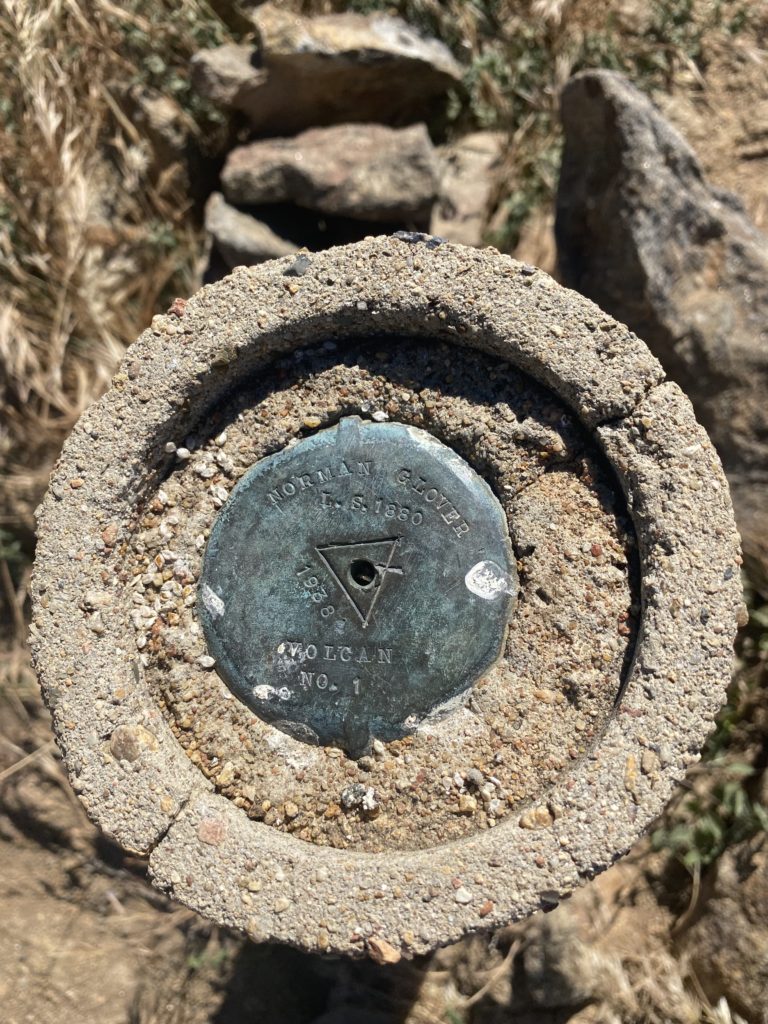
This year’s Coast to Crest Challenge is a collection of their 5 favorite hikes from previous challenges; Volcan Benchmark, Santa Ysabel East, Blue Sky Preserve, Raptor Ridge and Bernardo Mountain. I figured I should start with the “Crest” of the trail, and that was Volcan Benchmark. This was going to be a solo hike as Ted was working and Susie had family obligations.

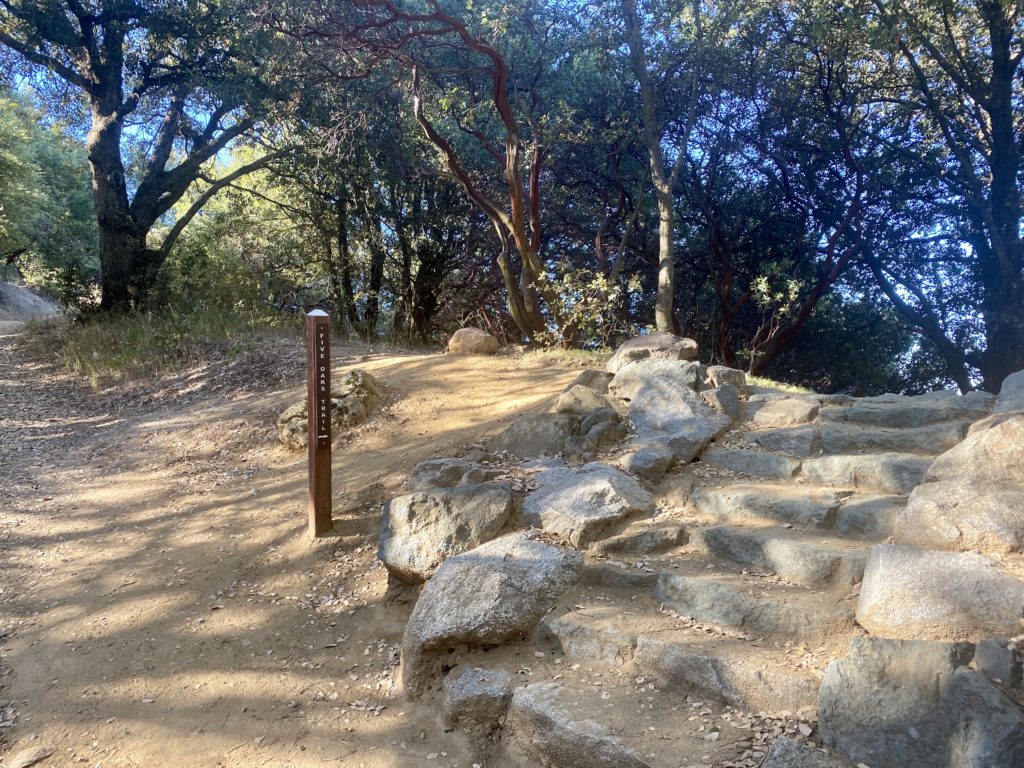
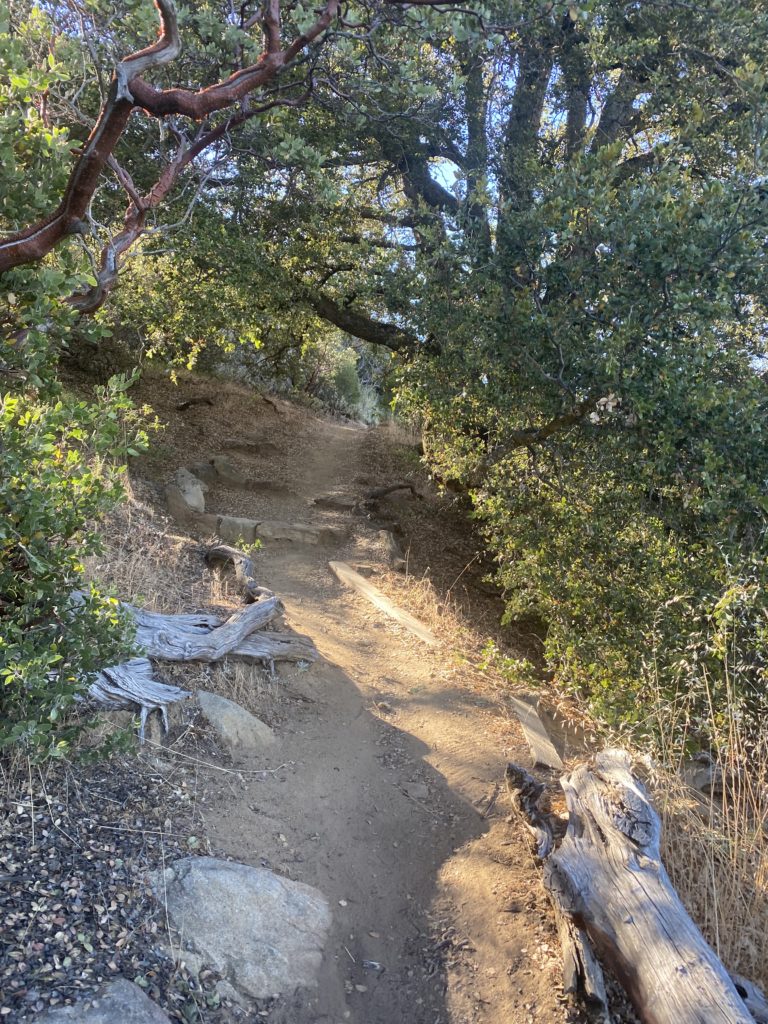
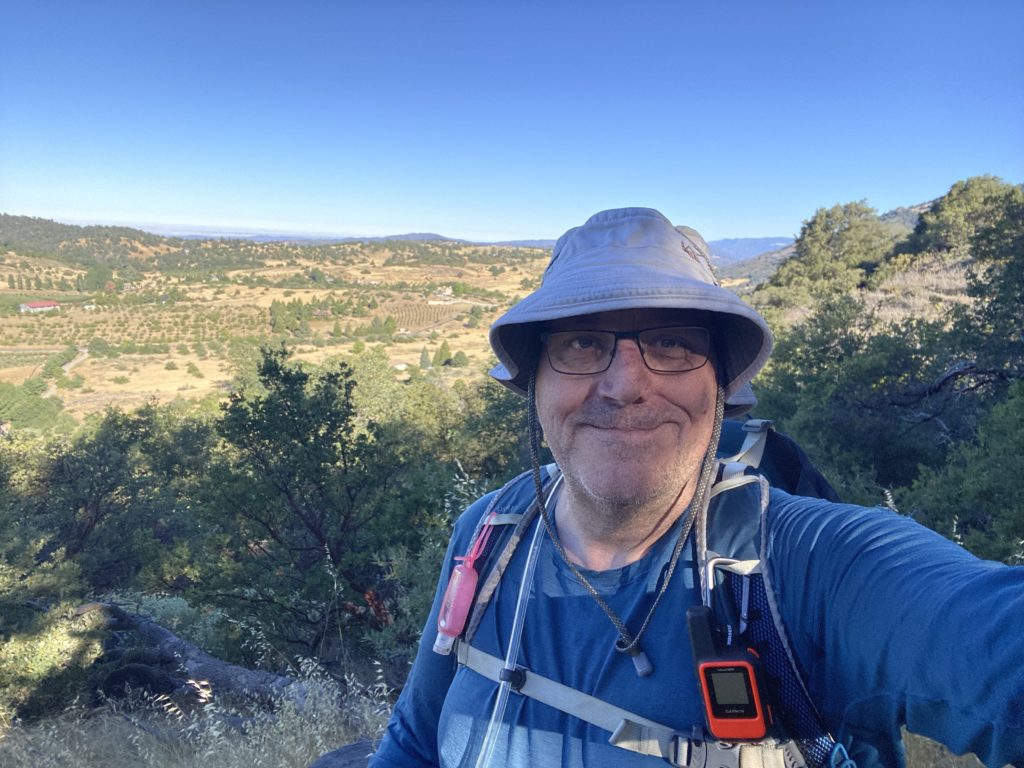
There were a few cars at the trailhead, less than I expected for the holiday weekend. I cruised up the main trail until it reached the Five Oaks Trail. This year’s challenge does not have fixed “selfie spots”, so I found a nice view and took one.

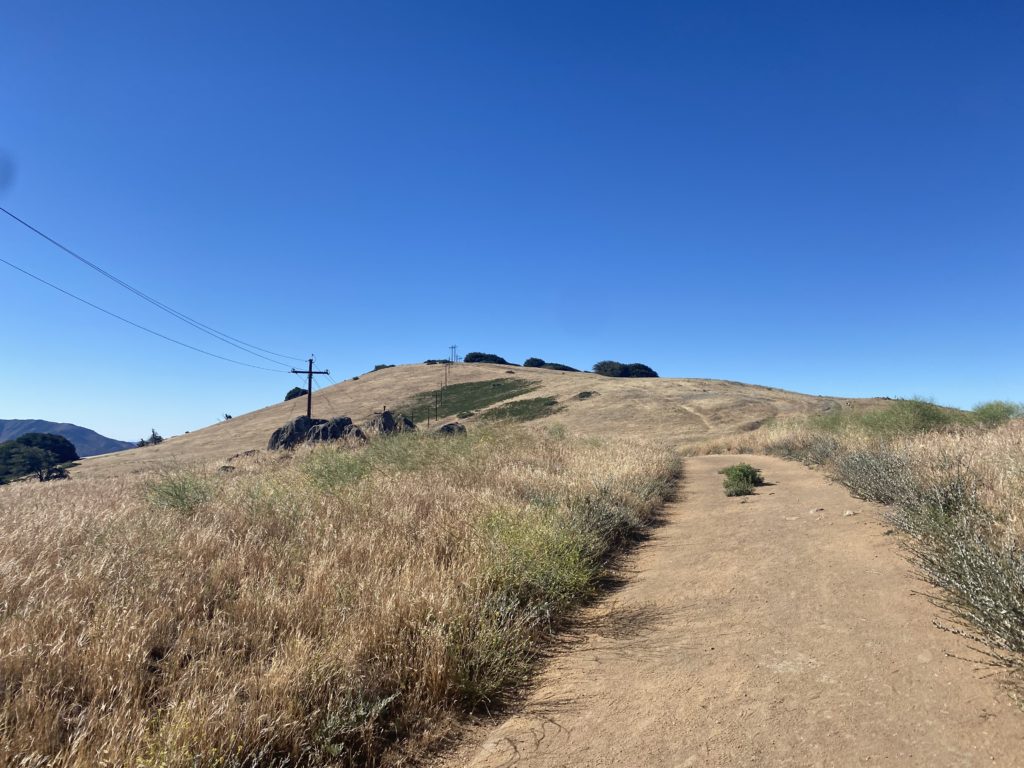
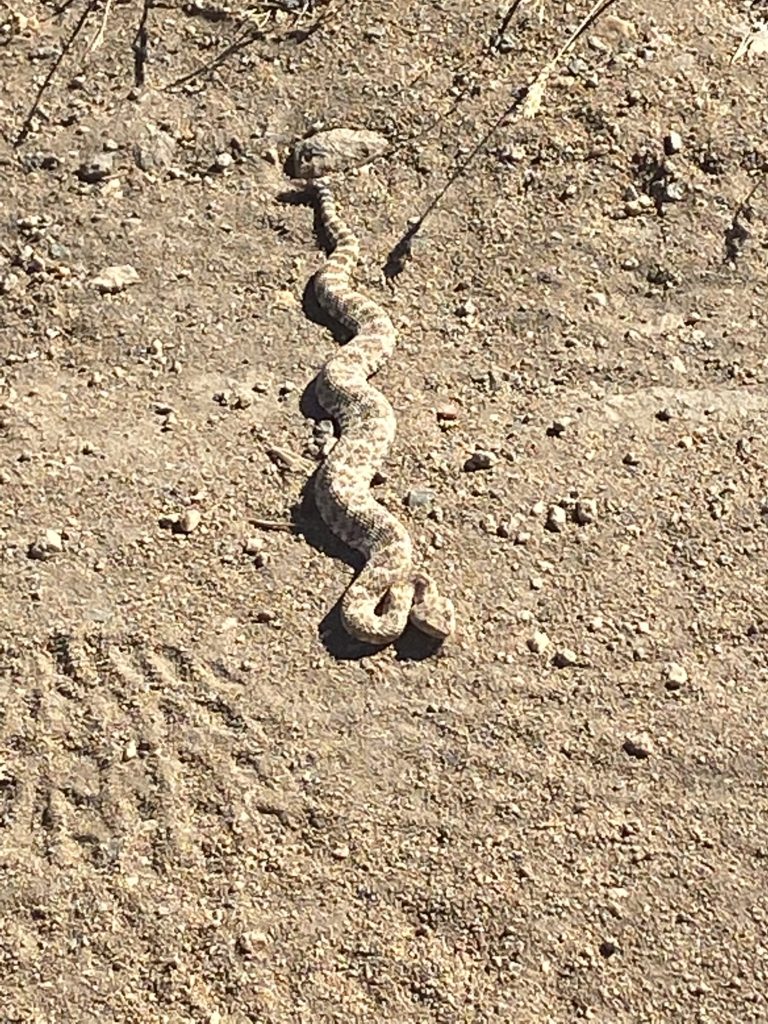
The rest of the hike to the summit was mostly uneventful until just near the summit. I was “chasing” down a pair of hikers ahead of me. When they stopped for a bit, and I caught up to them, they pointed to the small rattlesnake on the side of the trail. Since we were back on the main trail, there was plenty of room to walk past it.

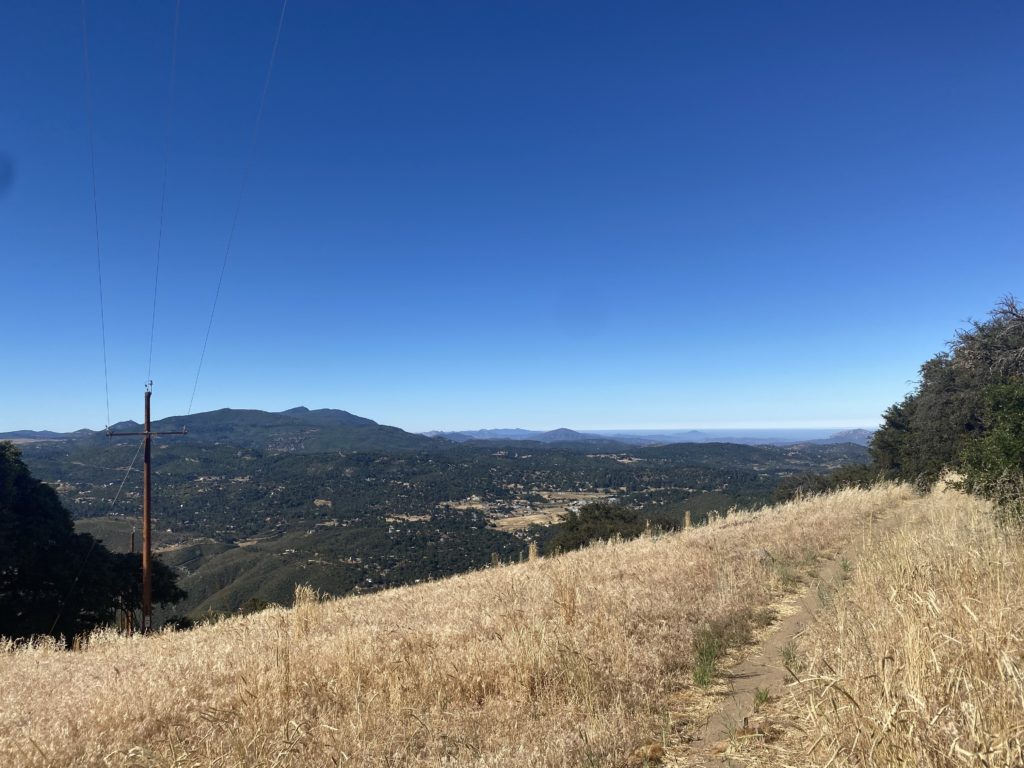
At the summit, I snapped a few photos before heading back down. As I looped around the east side of the summit, I spotted a bench I did not recall being there the last time. I took a quick look but wanted to keep on moving.

The descent went quickly, and I let hikers heading up know I had seen a snake today. Soon I found myself on the gravel road heading to the trailhead. My final stats were 5.2 miles in 2 hours flat, just one minute off from last time. I had thought about getting another one of the Coast To Crest Hikes done, but it was warming up, and I did not want to push it.


Buy Me a Coffee at ko-fi.com

I am an avid peak bagger, sometimes backpacker, and former sea kayaker living in San Diego. I co-authored Urban Trails: San Diego, available now!

In 2019, I became the third person to complete the San Diego 100 Peak Challenge. Not stopping with that accomplishment, I set my sights on the harder San Diego Sierra Club 100 Peak list, which I completed in 2021. I’ve also conquered several Six-Pack of Peaks challenges (SoCal, San Diego, Central Coast, and both the Arizona-Winter and Arizona-Summer).

I look forward to exploring new summits and adventures across the Southwest. 

William Heise County Park

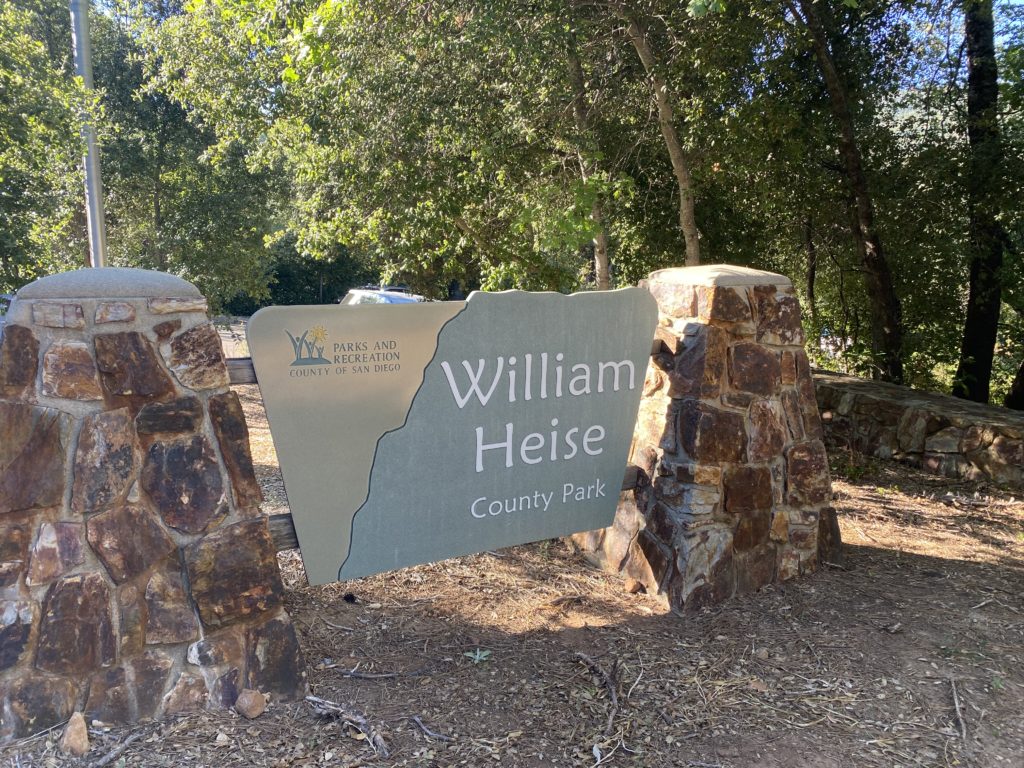
Joined Larry Edmonds’ Hike of the Month for a group hike through the various trails of William Heise County Park. I hadn’t been there in a long time, so this was a perfect opportunity to explore the park. The basic plan was to meet at the Day-Use parking area and then follow a mostly counter-clockwise route along the trail system.

Our first section to explore was the Fern Trail. We followed the Kelly Ditch trail for a bit, crossing over Cedar Creek. At a nicely signed junction, we turned onto the Fern Trail. Wildflowers still dotted the sides of the trail and we would stop from time to time to photograph them. The Fern Trail reconnects with the Kelly Ditch trail. For the very adventurous, you can hike this trail all the way to Lake Cuyamaca! 

Once we turned north, we headed toward the east and began hiking the Potter Loop. We had some lovely views of the surrounding mountains as we completed the one-mile loop. Once we were together again we began the short climb back toward the campground. Here we followed the Cedar Trail’s eastern section. After crossing back over the dry Cedar Creek, switchbacks made the climb a bit easier. The next trail we set off for was the Self-Guided Nature Trail on the east side of the campground. The smells of breakfast filled the air as we walked along the roads toward our trailhead.

We would take this trail for a short while until it connected with the Desert View Trail. Along the way, signs would identify the various trees and possible wildlife that could be found here. While we had a few short climbs so far, this section of our hike would have some measurable gain. Susie and I soon found ourselves at the front and cruised upward toward Glen’s View. We reached the end of the short spur trail and dropped our packs. The Salton Sea’s blue waters shone off in the distance. Familiar peaks rose around us—Granite, North Peak, Villager, and many more. The rest of the group arrived and took a nice break at the summit. 

After swapping tales of other hiking adventures for a bit, we set off to continue westward along the Desert View Trail. Some nice westerly views were spread out before us as we hiked down the rocky trail. Susie and I had once again pulled far ahead of the group. We came to a junction that could take us on a more direct path back to the campground or continue on to the Canyon Oak Trail. We both were a bit hungry, so we opted to skip the longer option and go on toward my car. Once back at the parking lot, I left a note for Larry on his car. After a quick stop at Calico Cidery to fill our growlers, we popped into Dudley’s for some sandwiches. While we waited for them, we chatted about our upcoming trip to climb Half Dome. This was a nice saunter through some nice trails with some lovely fellow hikers.


Buy Me a Coffee at ko-fi.com

I am an avid peak bagger, sometimes backpacker, and former sea kayaker living in San Diego. I co-authored Urban Trails: San Diego, available now!

In 2019, I became the third person to complete the San Diego 100 Peak Challenge. Not stopping with that accomplishment, I set my sights on the harder San Diego Sierra Club 100 Peak list, which I completed in 2021. I’ve also conquered several Six-Pack of Peaks challenges (SoCal, San Diego, Central Coast, and both the Arizona-Winter and Arizona-Summer).

I look forward to exploring new summits and adventures across the Southwest. 

San Mateo Peak

Since two of the three of us had evening plans, that ruled out any “big” hikes. So, instead, we tossed around a few smaller hikes that might fit the bill. In the end, we settled on hiking San Mateo peak, just an hour north in Riverside County. This peak is on the Lower Peaks Committee list, so we would get to cross off another one. Since the mileage for the peak was going to be just under 5 miles and the elevation gain was not too much, we had a slightly later start than our usual departure times. The drove up to Lake Elsinore and on to the 74 went quickly, as Susie, Ted, and I had not hiked together in a while, so there was a lot of catching up to do. The clouds hung low and as we neared the turn off from the 74 toward the Morgan Trailhead, I was driving in them. I pulled into the parking area and hung my Adventure Pass on the mirror. We gathered our gear and set off.

At about 2/10 mile in, we came upon a register box and we signed in. Almost directly behind is the trail o take up to San Mateo Peak. We made the mistake of continuing along the trail that we had been on for a bit before realizing we were headed the wrong way. The trail was really mellow, so backtracking was easy. The trail follows a seasonal stream for about another ½ mile. Some poison oak lined the edge of the trail, so having long pants was a good idea. We reached another junction that was well signed and the trail began to climb away from the creekbed. Along the route, we would keep our eyes open for the three dinosaurs that are placed along the trail. I have no idea why, but they are there.

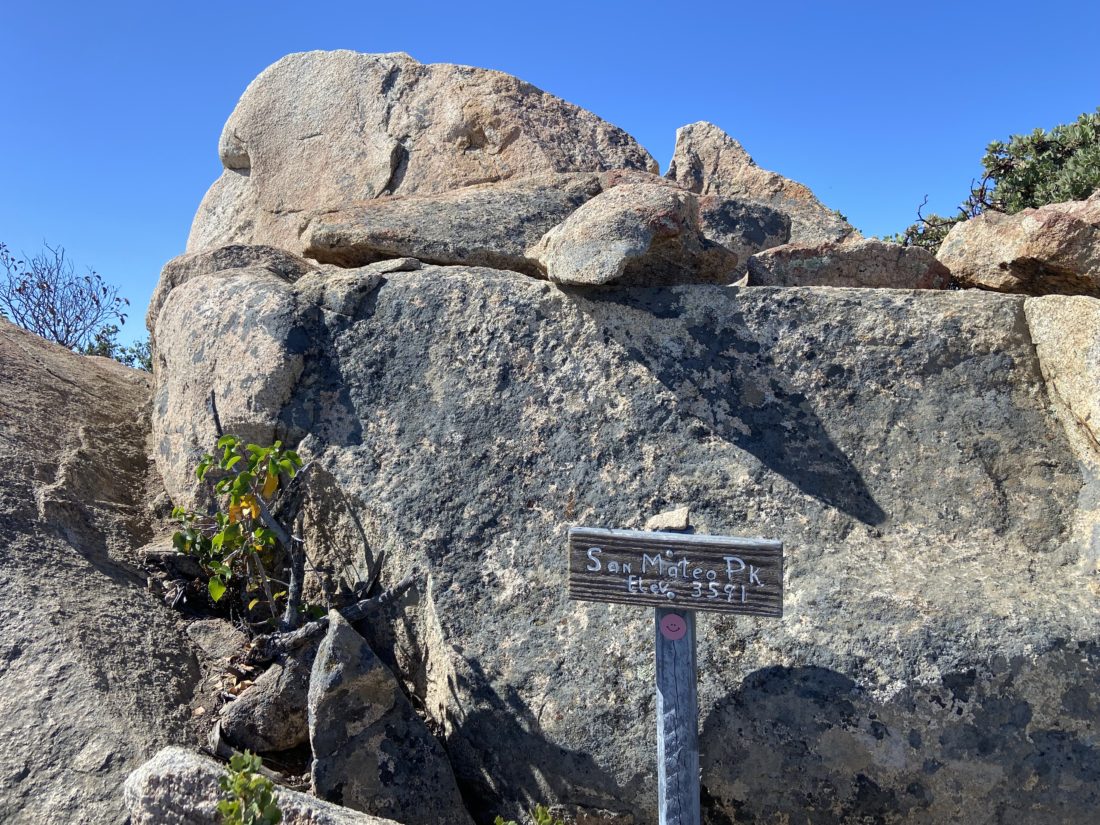
The clouds slowly began burning off and the possible summit revealed itself off to the south. Further, in the distance, we could see the towers atop Margarita Peak. The trail had a few ups and downs but mostly kept climbing upward. Finally, we spotted the summit and shortly thereafter were enjoying its views. It had a nice summit block that some of us scrambled up on. Off to the west, we spotted Sitton Peak, and Santiago loomed to our north. 

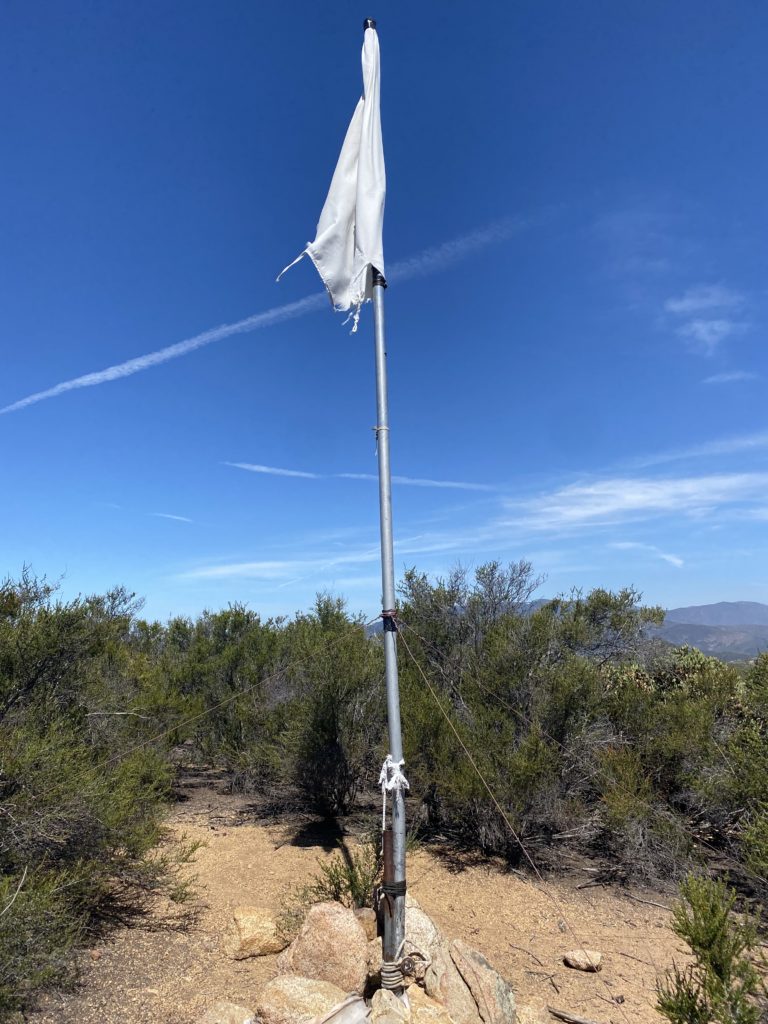
After signing the register, we began to retrace our route. About halfway back, we saw a flag pole atop a small peak to our north that we had missed due to the cloud cover. I located what I hoped was the use trail and made the short climb to it. According to Peakbagger, this was Peak 3065. There was nothing there that gave us any clue as to why there was a flag pole, but a peak is a peak.

We rejoined the main trail and continued down until we actually encountered another hiker heading up. So much for checking “Only Party on the Mountain” on our ascent log on Peakbagger. Soon we were back at the car after a pleasant 4.5 miles in a comfortable 2:36. I logged the total elevation gain at 937 feet. The drive home took a bit longer due to some construction but still wasn’t too bad of a drive.


Buy Me a Coffee at ko-fi.com

I am an avid peak bagger, sometimes backpacker, and former sea kayaker living in San Diego. I co-authored Urban Trails: San Diego, available now!

In 2019, I became the third person to complete the San Diego 100 Peak Challenge. Not stopping with that accomplishment, I set my sights on the harder San Diego Sierra Club 100 Peak list, which I completed in 2021. I’ve also conquered several Six-Pack of Peaks challenges (SoCal, San Diego, Central Coast, and both the Arizona-Winter and Arizona-Summer).

I look forward to exploring new summits and adventures across the Southwest.